

10 Signs Your Air Conditioner Needs Repair
When an air conditioner breaks down during a Texas heatwave, you need fast, trusted AC repair in Texas. Picture this: it is 100 degrees in Austin and your AC is blowing nothing but warm air. Homeowners often discover too late that their system warned them for weeks. Catching those warnings early makes air conditioner repair quick and affordable instead of a full replacement. If you notice any of the ten signs below, schedule service before a small problem becomes a mid-July emergency, and call +1 866-502-1393 for fast help.
Understanding the AC Problem
An air conditioner has one job: move heat from inside your home outdoors. When that process breaks down, cooling performance suffers immediately.
The challenge is that AC problems start small and quietly. A dirty coil or slow refrigerant leak barely affects comfort at first. Left alone, those issues overwork the system, spike your energy bills, and shut the unit down on the hottest day of the year. Spotting these early warning signs is exactly what a seasonal AC tune-up is designed to catch.
Common AC Problems Homeowners Face in Texas
Texas heat, humidity, and dust are tough on cooling systems. Units run ten hours a day for months, so failures follow predictable patterns:
- AC not cooling on the hottest afternoons, usually from low refrigerant, dirty coils, or an aging compressor
- Weak airflow from clogged filters, duct leaks, or a failing blower
- Short cycling, when the unit shuts off before finishing a full cooling cycle
- Frozen evaporator coils, common in humid cities like Houston and Corpus Christi
- Water leaking around the indoor unit from a clogged condensate drain
- Breakers tripping during long cooling cycles
Ignoring these symptoms turns routine central air repair into a costly replacement.
The 10 Signs Your Air Conditioner Needs Repair
Two or more of these signs at once means you should call a professional soon.
1. Warm Air From the Vents
If the AC runs but the air feels warm, check the thermostat first. If settings are correct, you may have a refrigerant leak or compressor problem.
2. Weak or Reduced Airflow
Air that barely trickles from the vents points to a clogged filter, failing blower motor, or ductwork blockage. Weak airflow forces the system to run longer.
3. Frequent Cycling
An AC that turns on and off every few minutes is short cycling. This drains efficiency and often stems from a dirty condenser or low refrigerant.
4. High Humidity Indoors
In a Texas summer, your system should remove moisture as it cools. Sticky air indoors means the AC is no longer dehumidifying properly.
5. Water or Moisture Leaks
Pooling water near the indoor unit usually means a clogged condensate drain line. Address it quickly, since mold and water damage follow fast.
6. Strange Noises
Grinding, squealing, rattling, or buzzing sounds are never normal. They typically indicate loose parts, a failing motor bearing, or debris in the unit. Call for emergency AC repair if the noise is sudden and severe.
7. Unusual Odors
A burning smell suggests an electrical problem, while musty odors point to mold inside the unit or ductwork.
8. Rising Energy Bills
If your usage has not changed but your bill keeps climbing, the system is losing efficiency. Dirty coils, low refrigerant, and failing parts force the AC to burn more power.
9. Thermostat Inconsistency
When one room is freezing and another feels like a sauna, or the AC ignores the thermostat, the issue may be faulty wiring, a failing sensor, or duct problems.
10. The System Is Over 10 to 15 Years Old
Age alone is a warning sign. Older units break down more often, use phased-out refrigerant, and cost more to run. If repairs are routine, compare repair cost against replacement.
What Causes These AC Issues?
Most AC failures trace back to a few root causes:
- Neglected maintenance. Skipping an annual AC tune-up lets dirt, wear, and small faults compound.
- Heavy summer workload. Months of near-continuous runtime wear out capacitors, contactors, and compressors.
- Dust and debris. Outdoor condenser coils clog quickly, trapping heat inside the system.
- Refrigerant leaks. Vibration and corrosion slowly starve the system of cooling capacity.
- Aging components. After a decade of Texas summers, motors and electrical parts wear out.
Step-by-Step Troubleshooting Tips (DIY-Safe)
Before calling a technician, try these safe, homeowner-friendly checks:
- Check the thermostat. Confirm it is set to Cool and set below the room temperature.
- Replace the air filter. A clogged filter causes weak airflow, frozen coils, and short cycling. Check it monthly in summer.
- Inspect the breaker panel. Reset a tripped breaker once. If it trips again, call a professional.
- Clean around the outdoor unit. Clear debris two feet away, then rinse the condenser coils with a garden hose.
- Check the condensate drain. A wet/dry vacuum can clear minor clogs in the drain line.
- Confirm all vents are open. Blocked registers upset airflow balance and raise system pressure.
If the system still underperforms, the remaining causes require professional tools, refrigerant certification, and electrical expertise. Do not open panels or handle refrigerant yourself.
When to Call a Professional AC Repair Technician
Some warning signs should trigger an immediate call to a certified AC technician in Texas:
- Burning smells, buzzing electrical components, or visible sparks
- Refrigerant hissing, ice on the lines, or oil residue near coils
- A complete system failure during a heat advisory
- Repeated breaker trips or a humming unit that never starts
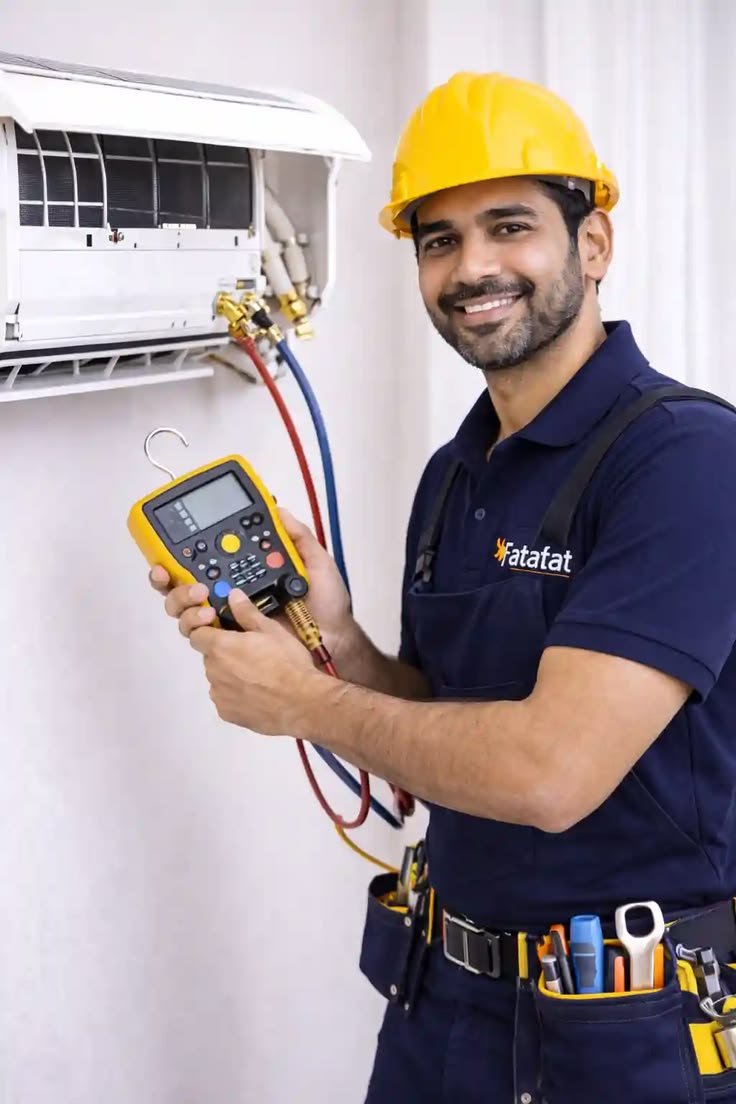
These symptoms involve high voltage, pressurized refrigerant, or water damage, and delaying service makes repairs more expensive. A provider offering AC maintenance near you can usually respond the same day. For fast service near you, find a local AC technician through hvacservicetexas.com or call +1 866-502-1393.
Benefits of Hiring a Local AC Repair Expert
Working with local HVAC professionals beats a national call center during a Texas heatwave:
- Faster emergency response. Local crews know a dead AC in August is an emergency and prioritize same-day service.
- Climate experience. Texas technicians see humidity-related coil freezes and dust-clogged condensers daily.
- Licensed and insured work. Certified repairs protect your manufacturer warranty and meet state code.
- Honest pricing backed by reputation. Local companies depend on community reviews, which keeps quotes fair.
- Preventive care plans. Seasonal maintenance agreements keep tune-ups on schedule and often include repair discounts.
Warm air, weak airflow, strange noises, leaks, and climbing bills all signal a system that needs attention, and acting early is always cheaper than reacting late. Schedule a spring AC tune-up, change your filters monthly, and never ignore a new noise or smell.
If you have noticed any of these ten signs, do not gamble with the Texas heat. Visit hvacservicetexas.com to book service with a trusted local expert, or call +1 866-502-1393 now for fast, certified air conditioner repair in Texas. Your home can be cool and comfortable again with one phone call.





One Comment