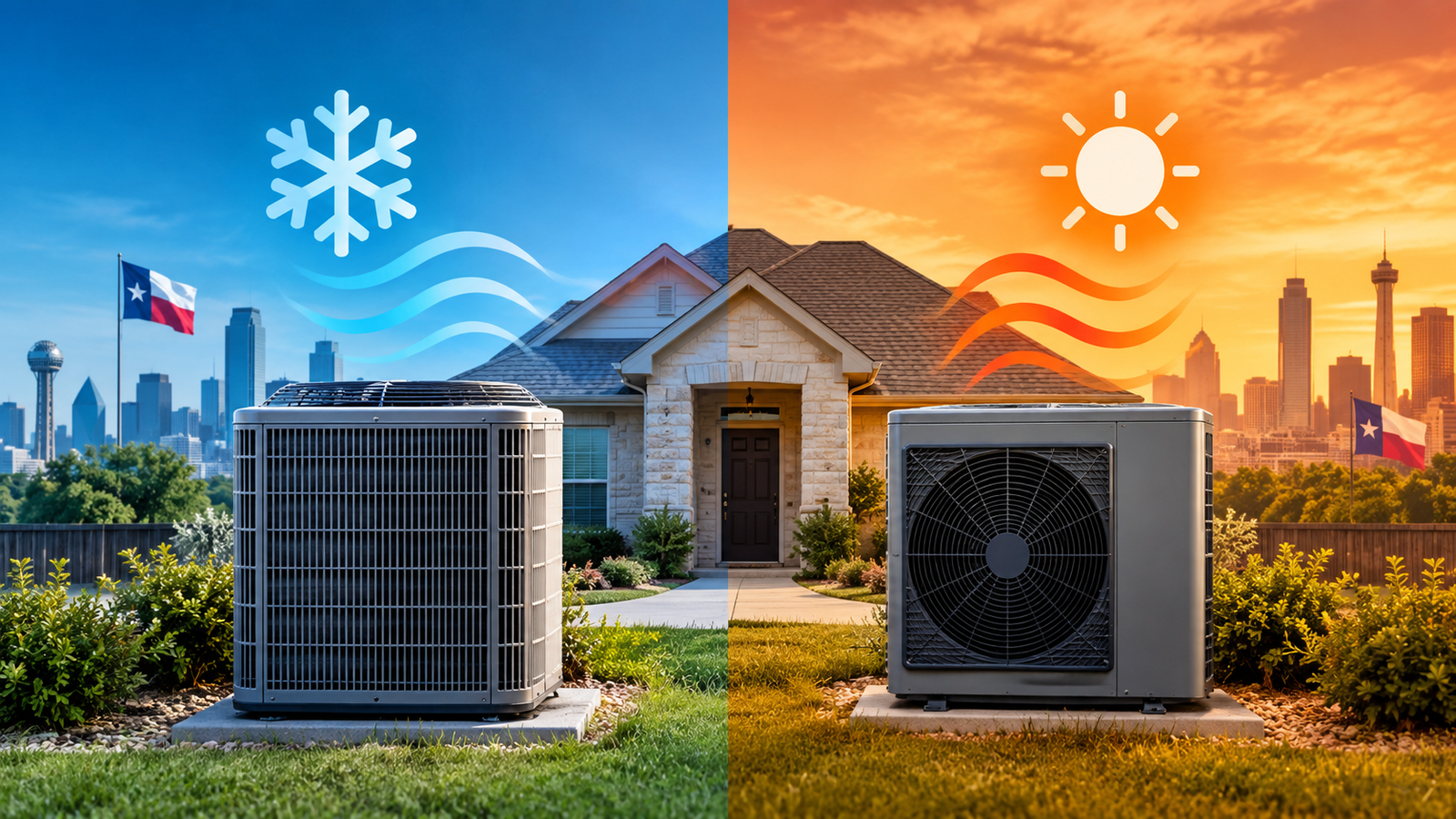
AC vs Heat Pump: Which Is Right for Your Home in Texas?
If you live in Dallas, Houston, Austin, or San Antonio, you know what a brutal Texas summer feels like. When your cooling system struggles to keep up — or worse, stops working entirely — choosing the right system for your home becomes more than just a comfort decision. It becomes a necessity. Whether you are weighing the cost of AC repair in Texas against upgrading to a heat pump, or you are simply trying to understand which system fits your home best, this guide breaks it all down in plain language.

Understanding the Difference Between an AC and a Heat Pump
At first glance, a traditional air conditioner and a heat pump look very similar. Both cool your home using refrigerant, a compressor, and coils. The key difference is what happens when the temperature drops.
A standard central air system only cools your home. When winter arrives, you rely on a separate furnace or heating unit to stay warm. A heat pump, on the other hand, does both. It pulls heat from outside air to warm your home in winter and reverses the process to cool it in summer — all within one system.
For Texas homeowners in cities like Fort Worth, El Paso, and Austin, this dual-function capability is worth serious consideration, especially as energy costs continue to rise.
Common AC Problems Homeowners Face in Texas
Before deciding between an AC or a heat pump, it helps to understand why so many Texas homeowners are already searching for air conditioner repair. The state’s extreme heat puts an enormous strain on cooling equipment, and even well-maintained systems can develop issues.
Some of the most reported problems include:
- AC not cooling properly even when the thermostat is set low
- Short cycling — the unit turns on and off too frequently without completing a full cooling cycle
- Frozen evaporator coils caused by restricted airflow or low refrigerant levels
- Unusual noises like banging, squealing, or rattling from the unit
- High humidity indoors despite the system running continuously
- Skyrocketing energy bills that suggest the system is working harder than it should
These issues are especially common during peak summer months in Houston and San Antonio, where temperatures routinely climb above 100 degrees Fahrenheit.
What Causes These AC Issues?
Understanding the root cause of your AC problems can help you make a smarter decision about whether to repair your existing system or replace it with a heat pump.
Poor maintenance is the number one reason most AC systems fail prematurely. Skipping your annual AC tune-up allows dust, debris, and wear to build up silently until a major breakdown occurs.
Refrigerant leaks are another common culprit. Low refrigerant directly causes an AC not cooling situation and can damage the compressor if left untreated. Refrigerant handling requires a certified H VAC technician — it is not a DIE fix.
Aging equipment plays a significant role as well. Most central air systems have a lifespan of 12 to 15 years. If your unit is approaching or past that range, repairs may only delay the inevitable.
Improper installation is a less obvious but equally damaging cause. A system that was undersized or incorrectly installed will never perform efficiently, no matter how many repairs are made.
For Texas homeowners, understanding these root causes can save thousands of dollars over time by guiding you toward the right long-term solution.
Step-by-Step Troubleshooting Tips Before Calling for Help
Not every AC issue requires an emergency service call. Here are a few DIE-safe steps you can take before reaching out to a local H VAC professional:
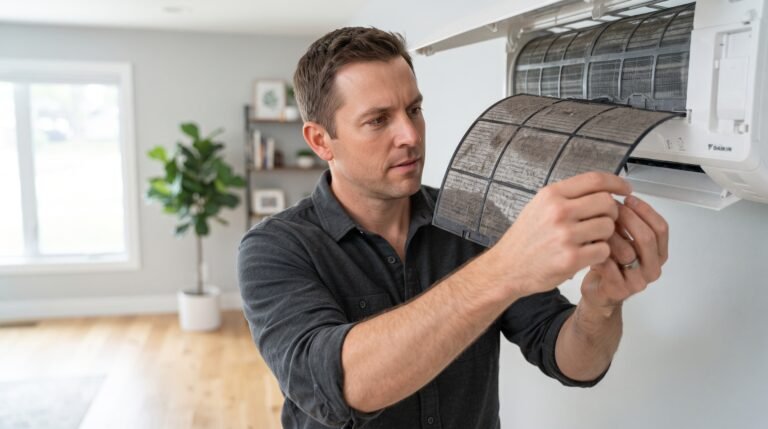
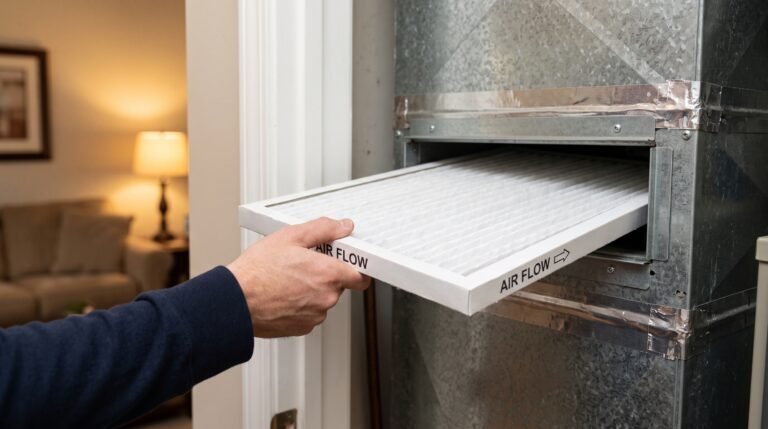
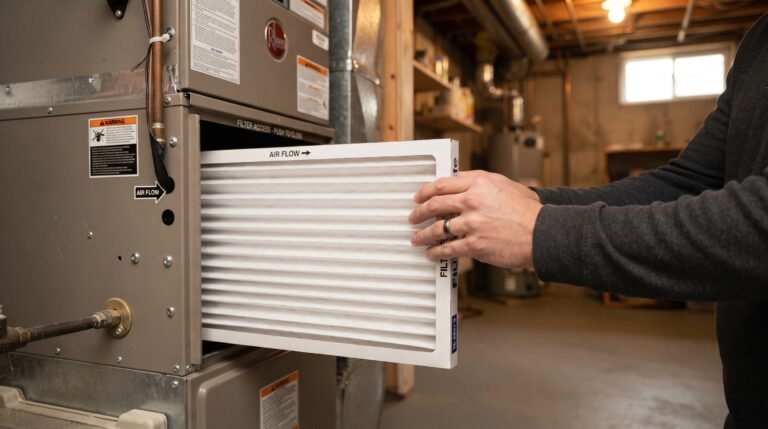
Step 1: Check and replace the air filter. A clogged filter is one of the most common — and most overlooked — causes of reduced airflow and poor cooling. Replace it every 30 to 90 days, especially during peak summer use.
Step 2: Inspect the thermostat settings. Make sure the system is set to “Cool” mode and that the temperature is set below the current indoor reading. Also check if the fan setting is on “Auto” rather than “On.”
Step 3: Check the circuit breaker. If your AC is completely unresponsive, head to your electrical panel and look for any tripped breakers. Reset them and see if the system powers back on.
Step 4: Clear debris around the outdoor unit. Leaves, dirt, and overgrown vegetation can block airflow to the condenser. Gently clear the area around the unit and make sure nothing is within two feet of it.
Step 5: Check indoor vents. Walk through your home and confirm that all supply and return vents are open and unblocked by furniture or curtains.
If none of these steps resolve the issue, it is time to call a certified AC technician in Texas.
When to Call a Professional AC Repair Technician
Some problems are simply beyond the scope of safe DIE repair. You should contact a qualified H VAC technician immediately if you notice any of the following:
- Ice forming on the refrigerant lines or evaporator coil
- A burning smell or electrical odor coming from the unit
- Water pooling around your indoor air handler
- The system fails to cool despite all troubleshooting attempts
- Loud grinding or screeching noises from the compressor
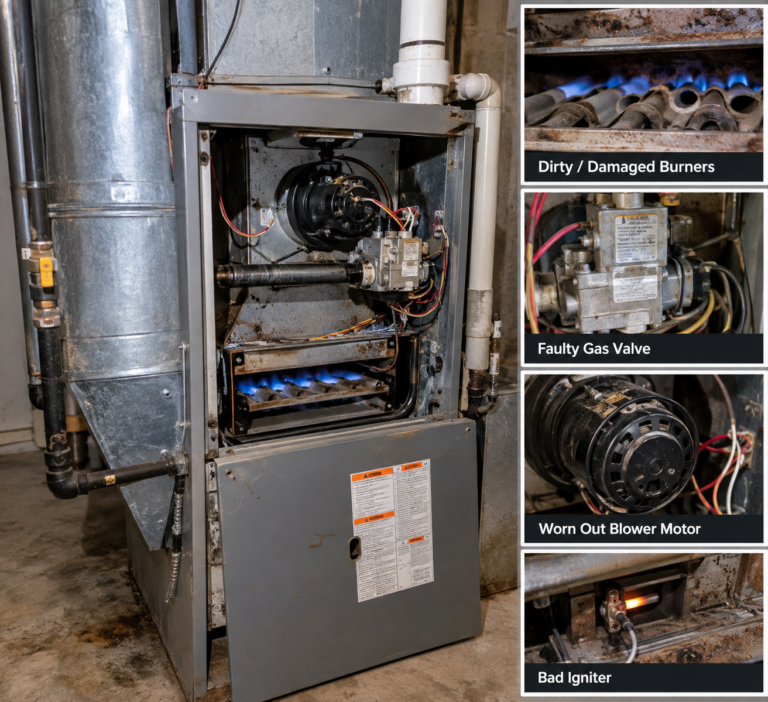
These symptoms often indicate refrigerant issues, electrical faults, or compressor damage — all of which require professional tools and licensing to diagnose and fix safely. Waiting too long can turn a manageable repair into a full system replacement. If you are experiencing any of these warning signs, consider scheduling emergency AC repair near you as soon as possible.
You can find a local AC technician near you by visiting hvacservicetexas.com and connecting with a vetted H VAC professional in your area across Dallas, Houston, Austin, San Antonio, Fort Worth, and El Paso.
Benefits of Hiring a Local AC Repair Expert
When your home is heating up fast, working with a local H VAC professional offers clear advantages over waiting for a national chain to send someone from out of the area.
Faster response times. Local technicians can often provide same-day or next-day service, which matters enormously during a Texas heat wave when temperatures inside your home can become dangerous.
Knowledge of local conditions. A certified AC technician in Texas understands the specific demands the climate places on cooling equipment. They know which systems perform best in high-humidity coastal areas like Houston versus the dry desert heat of El Paso.
Honest recommendations. Local H VAC companies depend on their reputation within the community. You are more likely to receive a straightforward assessment and fair pricing rather than unnecessary up sells.
Ongoing AC maintenance near you. Building a relationship with a trusted local technician means you will have someone who knows your system’s history and can catch problems early through regular AC tune-up visits.
Make the Right Choice for Your Texas Home
Choosing between a traditional AC and a heat pump comes down to your home’s specific heating and cooling needs, your energy goals, and the age of your current equipment. For most Texas homeowners, particularly those in Dallas, Houston, Austin, and San Antonio, a properly maintained central air system still delivers excellent performance — but a heat pump can offer long-term savings if your system is due for replacement.
Whether you need air conditioner repair, a full central air repair, or a consultation on upgrading to a heat pump, do not wait until the situation becomes an emergency. Act before your next heat wave strikes.
Call our toll-free number today at +1 866-502-1393 to speak with a certified H VAC technician, or visit hvacservicetexas.com to schedule your AC repair and get your home back to the comfort level it deserves. Expert help is just one call away.