Why Is My Air Conditioner Blowing Warm Air? A Complete Guide for Texas Homeowners
If your air conditioner is blowing warm air in the middle of a Texas summer, you already know how quickly that discomfort turns into a full-blown crisis. Whether you’re in Dallas, Houston, Austin, San Antonio, Fort Worth, or El Paso, temperatures regularly climb past 95°F, making a properly functioning. AC system not just a comfort — but a necessity.
AC is not cooling and knowing what to do next can save you time, money, and sleepless nights. This guide breaks down the most common causes, practical troubleshooting steps, and when to call a certified AC repair technician to get your home back to a comfortable temperature fast.
Understanding the Problem: Why Your AC Blows Warm Air
Your air conditioner works by pulling warm air from inside your home, passing it over a refrigerant-filled evaporator coil to cool it, and then pushing that cooled air back through your vents. When something disrupts this process — whether it’s a refrigerant issue, electrical fault, or airflow restriction — the system loses its ability to cool your home effectively.
The result? Warm or room-temperature air blowing through your vents even though the unit appears to be running. This is one of the most common AC complaints from homeowners across Texas, and it’s almost always fixable once the root cause is identified.
Common AC Problems Texas Homeowners Face
Texas homeowners deal with some of the harshest cooling demands in the country. The extreme heat, high humidity in cities like Houston, and extended summers push AC systems to their limits. Here are the most frequently reported issues:
- AC blowing warm air despite the thermostat being set correctly
- Frozen evaporator coils caused by restricted airflow or low refrigerant
- Refrigerant leaks that reduce cooling capacity over time
- Dirty or clogged air filters that starve the system of airflow
- Tripped circuit breakers that cut power to the outdoor condenser unit
- Faulty thermostat settings or malfunctioning thermostat sensors
- Compressor failures that prevent the refrigerant cycle from functioning
If your system has been neglected without a seasonal AC tune-up, the likelihood of encountering one or more of these issues increases significantly, especially heading into or during peak summer months.
What Causes These AC Issues?
Several root causes contribute to an air conditioner blowing warm air. Understanding them helps you make smarter decisions about repairs and maintenance.
Low or Leaking Refrigerant: Refrigerant is the substance that actually makes cooling possible. If your system has a slow leak, the refrigerant level drops, and your AC loses its ability to absorb heat from indoor air. This is not a DIY fix — handling refrigerant requires a certified AC technician licensed to work with these substances.
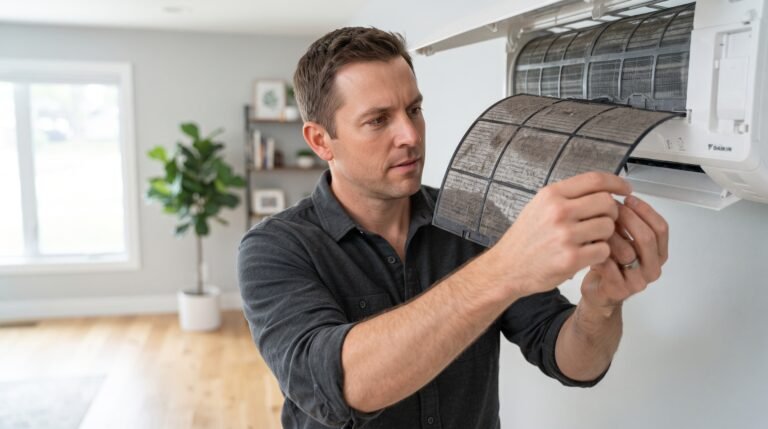
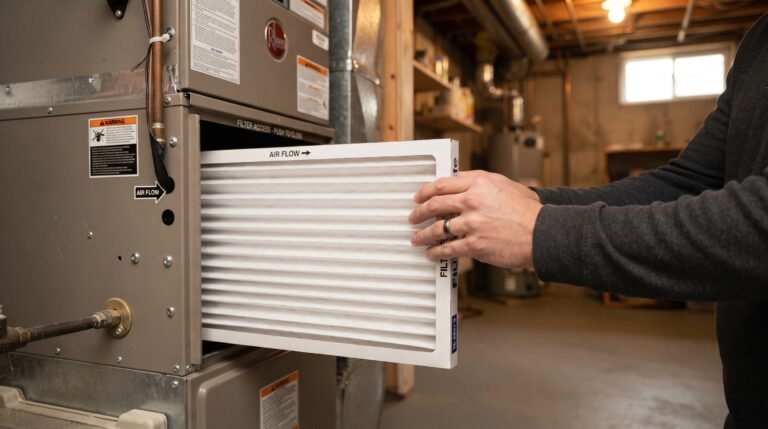
Dirty Air Filters: A clogged air filter blocks airflow over the evaporator coil, causing the coil to freeze over. Once frozen, the AC can no longer transfer heat effectively, and your system may blow warm or even hot air. Texas dust and allergens make filter replacement even more critical here than in other states.
Thermostat Issues: A thermostat set to “fan only” mode instead of “cool” will circulate air without engaging the cooling cycle. A malfunctioning thermostat can also send incorrect signals to the system. Always verify your thermostat settings before assuming a major mechanical failure.
Tripped Breaker or Electrical Fault: Your central air system has two main components — an indoor air handler and an outdoor condenser unit. If the outdoor unit loses power due to a tripped breaker or blown fuse, the indoor fan will still run, pushing uncool air through your vents.
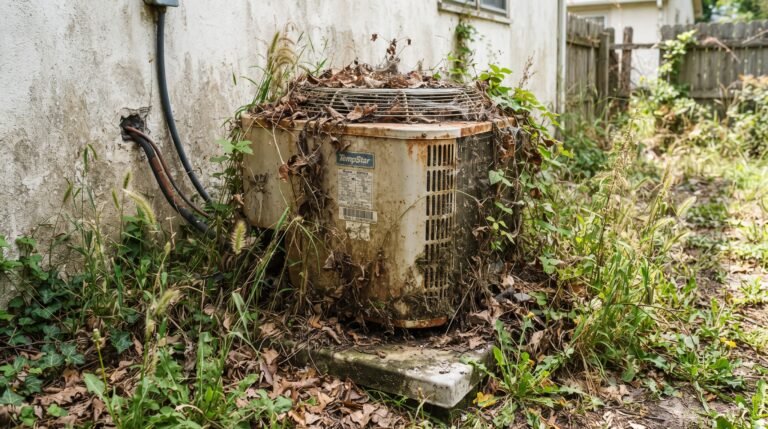
Dirty Condenser Coils: The outdoor unit releases heat pulled from inside your home. When condenser coils become caked with dirt, debris, or grass clippings, they can’t release that heat efficiently, causing your system to work harder with diminishing results.
Step-by-Step Troubleshooting Tips You Can Try at Home
Before calling for emergency AC repair, run through these safe, homeowner-friendly checks:
-
Check your thermostat. Make sure it’s set to “Cool” mode and the temperature is set lower than the current room temperature. If it’s battery-powered, replace the batteries.
-
Inspect and replace the air filter. A filter clogged with dust and debris is one of the most common and easiest problems to fix. Replace it with a fresh filter and see if airflow improves within 30 minutes.
-
Check your circuit breaker panel. Look for any tripped breakers related to your AC or HVAC system and reset them. If the breaker trips again immediately, stop and call a professional — this indicates a deeper electrical issue.
-
Inspect the outdoor condenser unit. Make sure it’s free of debris like leaves, dirt, and overgrown grass. Gently clear any visible blockage around the unit without spraying water into electrical components.
-
Check for ice on the evaporator coil. Turn the system off and switch the fan to “on” only. Allow 1–2 hours for the ice to melt, then restart on “cool” mode. If it freezes again, you likely have a refrigerant or airflow issue requiring professional service.
If none of these steps restore cooling, it’s time to contact a local HVAC professional. You can find a certified AC technician in Texas by visiting hvacservicetexas.com and scheduling a diagnostic visit quickly and easily.
When to Call a Professional AC Repair Technician
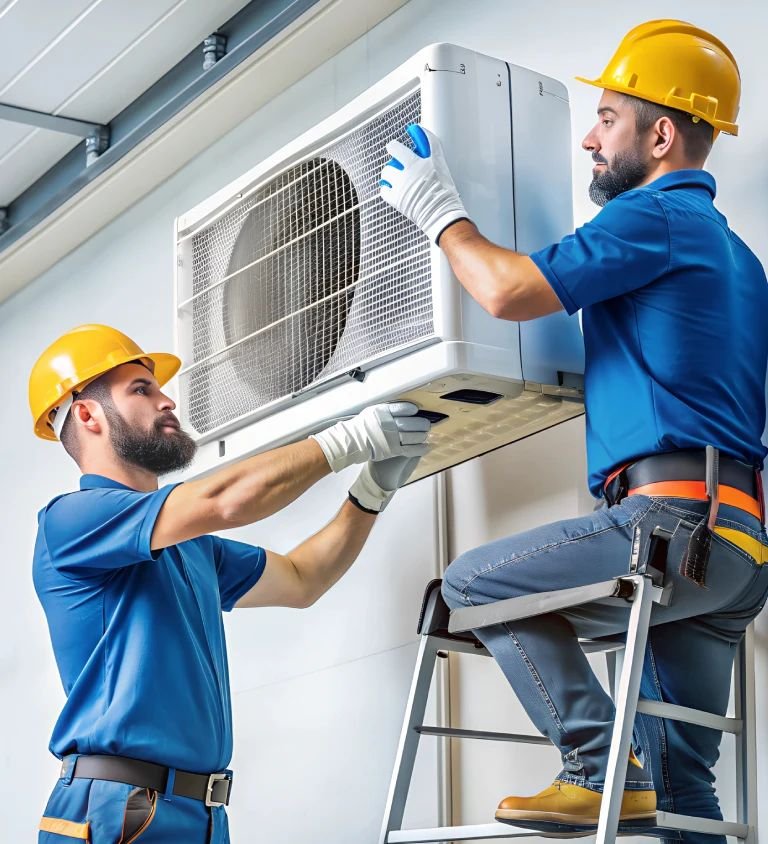
Some AC problems go beyond what a homeowner can or should attempt to fix. Call a certified ac technician immediately if you notice:
- Warm air persisting after all basic troubleshooting steps
- Ice forming on your indoor or outdoor unit repeatedly
- Unusual noises like grinding, hissing, or banging from the system
- A noticeable spike in your electric bill without increased usage
- A burning smell or electrical odor coming from any vents
- Your system cycling on and off frequently without properly cooling
These symptoms can indicate refrigerant leaks, compressor damage, or electrical hazards — all of which require professional tools, training, and licensing to repair safely. Delaying professional service in Texas heat can lead to complete system failure and costly central air repair or replacement.
Benefits of Hiring a Local AC Repair Expert in Texas
Working with a local, certified ac professional in your area offers clear advantages over attempting repairs yourself or hiring an out-of-state company.
Local technicians understand the specific demands of Texas climate — the brutal summers in El Paso, the coastal humidity in Houston, the urban heat islands in Dallas and San Antonio. They know which systems perform best in these environments and what failure patterns to watch for in your region.
Beyond that, local pros can respond faster for emergency AC repair situations, provide same-day or next-day service windows, and offer ongoing AC maintenance near you to prevent future breakdowns. A professional AC tune-up performed before summer peaks can also extend your system’s lifespan by years and improve energy efficiency, reducing monthly utility costs.
Hiring locally also means accountability. A business serving your community has a reputation to protect, which means better service, clearer communication, and follow-up support if issues return.
Don’t Wait — Get Your AC Cooling Again Today
A warm-blowing air conditioner in the Texas heat is more than an inconvenience — it’s a health and safety concern, especially for families with young children, elderly members, or individuals with medical conditions. The good news is that most causes of an AC not cooling are entirely fixable when caught early by a qualified professional.
Start with the basic troubleshooting steps outlined in this guide. If the problem persists, don’t wait for things to get worse. Reach out to a trusted, local HVAC technician who can diagnose and repair your system quickly and affordably.
Visit hvacservicetexas.com today to schedule your AC repair service, or call us toll-free right now at +1 866-502-1393. Our certified AC repair professionals serve homeowners throughout Dallas, Houston, Austin, San Antonio, Fort Worth, El Paso, and the surrounding Texas communities. Fast response, honest pricing, and expert results — that’s what Texas homeowners deserve.