
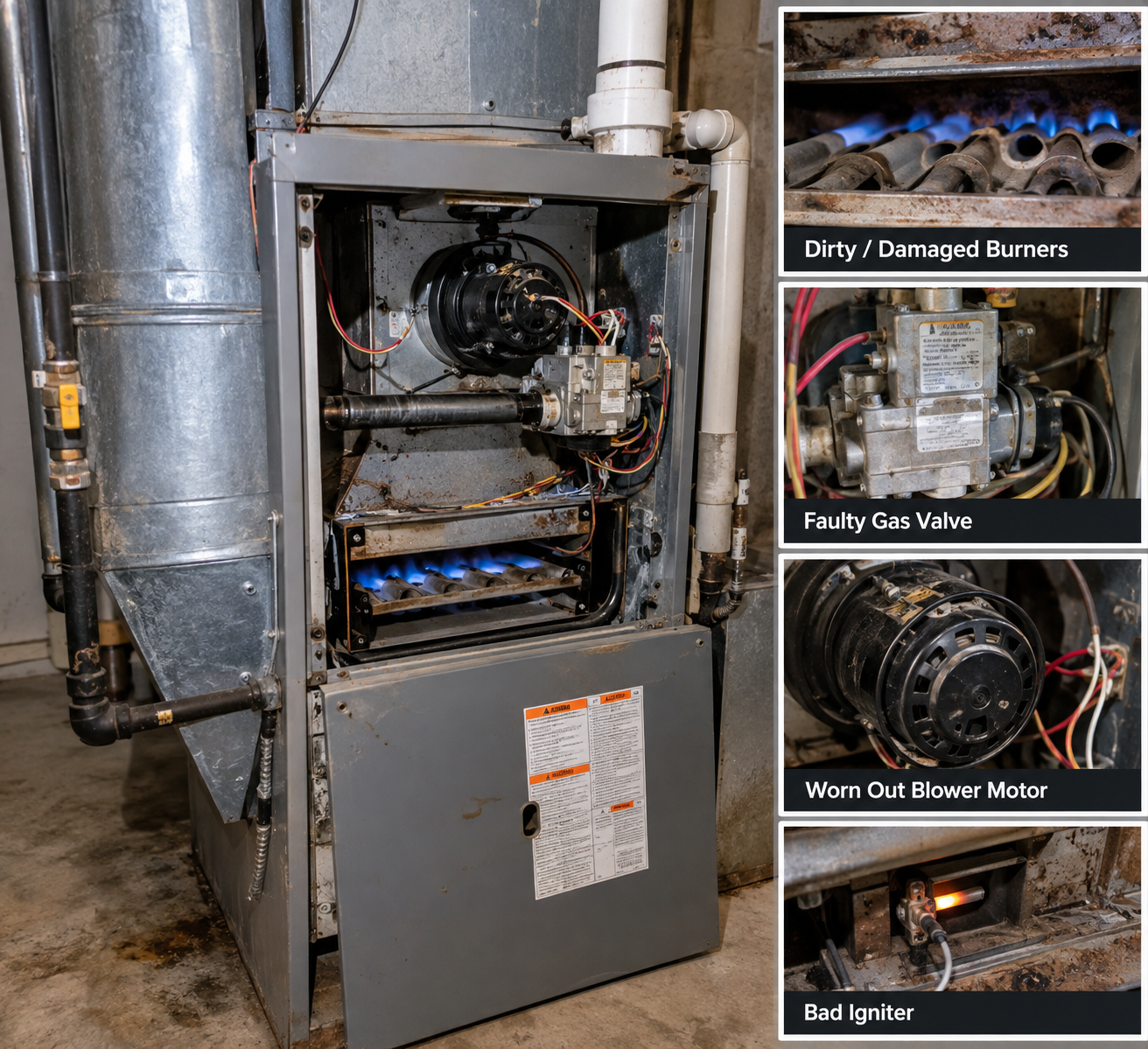
Furnace Tune-Up in Texas: Your Complete Fall Checklist
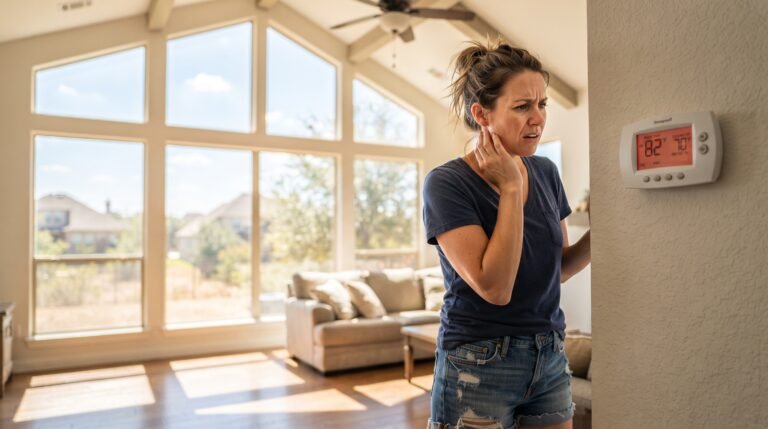
Fall in Texas can be deceptive. One week you’re still running the air conditioning, and the next, temperatures in Dallas, Houston, or San Antonio drop fast enough to leave your household scrambling for heat. For many Texas homeowners, that first cold snap reveals an uncomfortable truth: the furnace hasn’t been touched since last winter. If your heater is slow to start, blowing lukewarm air, or making strange noises the moment you fire it up, you are not alone — and you are not out of options.
This complete fall checklist walks you through everything you need to know about furnace tune-up in Texas, from what the process actually involves to DIY-safe maintenance steps and the warning signs that mean it is time to call a certified HVAC technician.
What Is a Furnace Tune-Up and Why Does It Matter in Texas?
A furnace tune-up is a scheduled preventive maintenance service where a trained HVAC professional inspects, cleans, tests, and adjusts your heating system to ensure it runs safely and efficiently throughout the colder months. Think of it as an annual physical for your home’s heating equipment.
In Texas, heating systems often sit dormant for eight to nine months of the year. During that period, dust accumulates on burners, belts stiffen, pilot assemblies corrode, and electrical connections loosen. When you suddenly demand heat from a neglected system, the result is often a breakdown — usually on the coldest night of the season.
A professional furnace tune-up catches these issues before they become emergencies, extends the lifespan of your equipment, improves indoor air quality, and keeps your energy bills in check during the brief but chilly Texas winter.
Common Furnace Problems Texas Homeowners Face Each Fall
Homeowners across Dallas, Fort Worth, Austin, El Paso, and Houston frequently report the same recurring issues when heating season arrives. Recognizing these problems early can save you significant repair costs.
- No heat or insufficient heat: The furnace runs but the air coming from vents is barely warm, or the system cycles on and off without reaching the set temperature.
- Pilot light or ignition failure: Older gas furnaces rely on a standing pilot light, while newer models use electronic ignition. Both can fail after months of inactivity.
- Unusual noises: Banging, rattling, or squealing sounds often point to loose components, a worn blower belt, or debris inside the unit.
- Frequent cycling: If the furnace turns on and off every few minutes, it may be overheating due to a clogged filter or restricted airflow.
- Yellow or flickering burner flame: A healthy gas furnace burns a steady blue flame. Yellow or orange flames suggest incomplete combustion, which can produce carbon monoxide.
- Spiking energy bills: A furnace that has to work harder than usual to maintain temperature will show up immediately on your utility statement.
What Causes Furnace Issues After a Long Texas Summer?
The extended heat of a Texas summer creates specific conditions that affect heating equipment in ways homeowners rarely anticipate.
Dust and debris build up significantly inside the unit and duct-work when the system is unused. Filters become clogged even without running, simply from airborne particles settling over time. Condensate lines that serve dual-purpose HVAC systems can develop blockages or mold growth. Rodents and insects occasionally nest inside outdoor components or duct-work during warm, dry months.
Gas connections and heat ex changers can develop minor cracks or corrosion over time, and these become hazardous once the system begins operating under load. Electrical components — contactors, capacitors, and control boards — can degrade through seasonal temperature swings alone.
These are not theoretical concerns. They are the documented root causes behind the surge in heater repair service calls that local HVAC professionals across Texas handle every November and December.
Your Fall Furnace Tune-Up Checklist: DIY-Safe Steps
Before calling in a professional, there are several maintenance tasks that Texas homeowners can safely handle themselves. These steps will not replace a professional inspection but will meaningfully improve your system’s readiness.
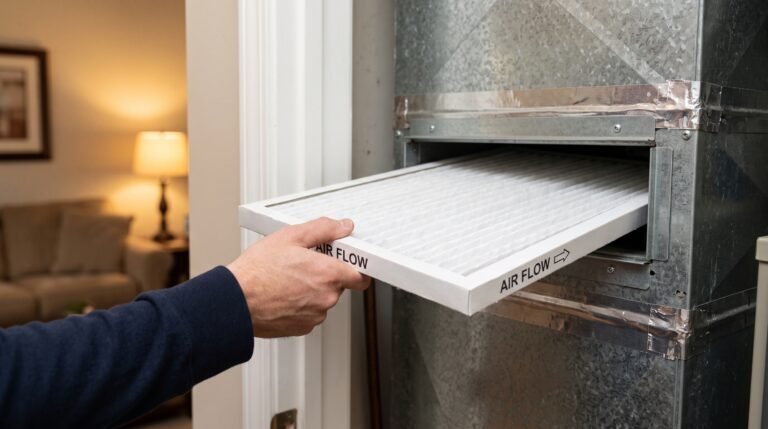
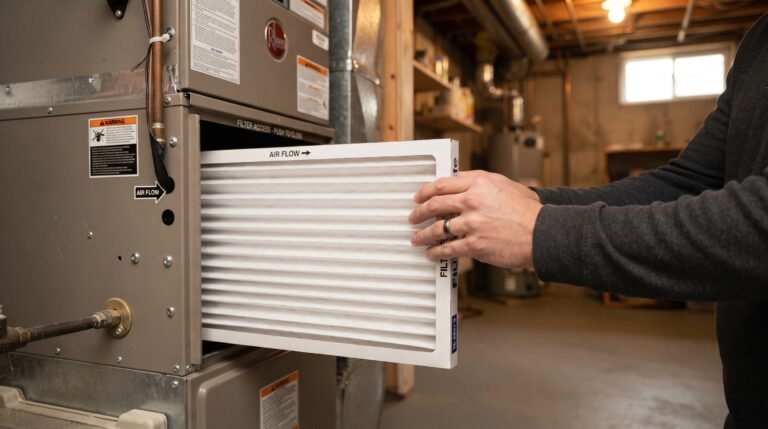
Step 1 — Replace or Clean Your Air Filter This is the single most impactful thing you can do. A dirty filter restricts airflow, causes the furnace to overheat, and circulates dust and allergens through your home. Replace standard 1-inch filters every 30 to 60 days during heating season. Higher-thickness filters may last up to 90 days.
Step 2 — Clear the Area Around Your Furnace Remove any boxes, stored items, or debris that may have accumulated near the furnace during the off-season. Furnaces require at least 30 inches of clearance on all sides for safe operation and proper airflow.
Step 3 — Test Your Thermostat Switch your thermostat from “cool” to “heat” and set it five degrees above room temperature. Wait a few minutes to confirm the system activates and warm air reaches your vents. If it does not respond, check your circuit breaker before assuming a larger problem.
Step 4 — Inspect and Clean Vents and Registers Walk through your home and make sure all supply and return vents are open and unobstructed by furniture, rugs, or curtains. Vacuum visible dust from registers to improve airflow.
Step 5 — Check Your Carbon Monoxide Detectors Before firing up any gas-powered heating system, verify that your carbon monoxide detectors are functional and have fresh batteries. This step is non-negotiable for the safety of your household.
Step 6 — Visually Inspect Flue Pipes Look at the venting pipes connected to your furnace. Check for visible rust, disconnected sections, or debris blockages. Do not attempt repairs on flue pipes yourself — contact a licensed technician immediately if you notice damage.
When to Call a Professional Heater Repair Service in Texas
DIY steps will only take you so far. Certain furnace conditions require the diagnostic tools, training, and licensing that only a certified HVAC technician can provide. Call a professional immediately if you experience any of the following:
- The furnace produces no heat at all despite power and thermostat settings being correct
- You smell gas near the unit at any point — leave the home and call your gas provider first
- The flame is yellow, flickering, or inconsistent
- You hear persistent banging, grinding, or squealing during operation
- Your carbon monoxide detector triggers an alert
- The furnace trips the circuit breaker repeatedly
For Texas homeowners in Dallas, Houston, San Antonio, Austin, Fort Worth, and El Paso, professional heater repair service is available year-round through licensed local HVAC teams who understand both the climate demands and the equipment commonly installed in Texas homes. You can explore certified heating service options and book a seasonal tune-up at hvacservicetexas.com.
Benefits of Scheduling a Professional Furnace Tune-Up This Fall
Investing in a professional tune-up before the cold season offers returns that far outweigh the service cost.
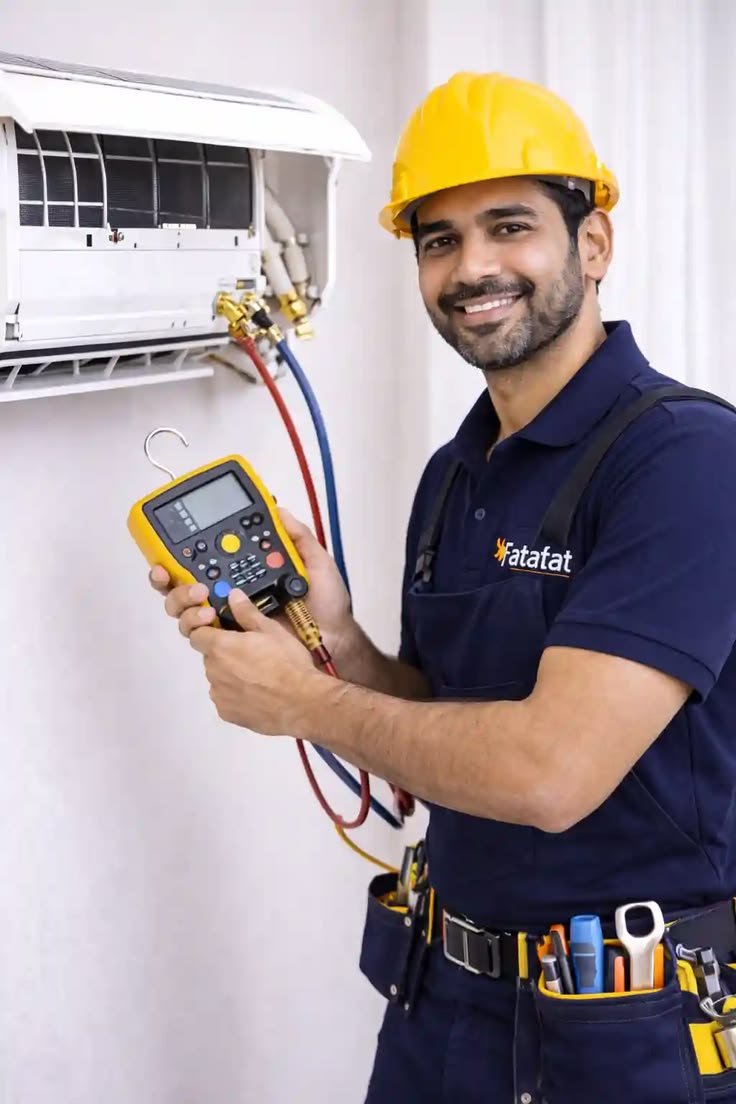
A licensed HVAC technician will clean burners and heat ex changers, test gas pressure and combustion efficiency, lubricate all moving parts, inspect electrical connections for wear or corrosion, test the safety limit switches, calibrate the thermostat, and provide a full written report of your system’s condition. This level of inspection simply cannot be replicated with household tools.
Beyond safety, a well-maintained furnace operates at peak efficiency — consuming less gas or electricity to produce the same amount of heat. Homeowners who schedule annual tune-ups consistently report lower energy bills and fewer emergency repair calls over the lifespan of their equipment.
Do Not Wait for the First Cold Night to Find Out Your Furnace Needs Help
Fall in Texas moves quickly, and heating season has a way of arriving before most homeowners feel ready. The good news is that a single proactive furnace tune-up is all it takes to head into winter with confidence, knowing your system is clean, safe, and fully operational.
Do not wait for a breakdown to take action. Complete the DIY checklist above, address any visible concerns, and schedule a full professional inspection before the first real cold front rolls through your area. Whether you are in Dallas, Houston, Austin, San Antonio, Fort Worth, or El Paso, certified heater repair service is just a call away.
Visit hvacservicetexas.com to schedule your furnace tune-up today, or call us directly at +1 866-502-1393 to speak with a local HVAC professional near you. Your family’s comfort and safety this winter start with one simple appointment — make it today.
2 Comments