
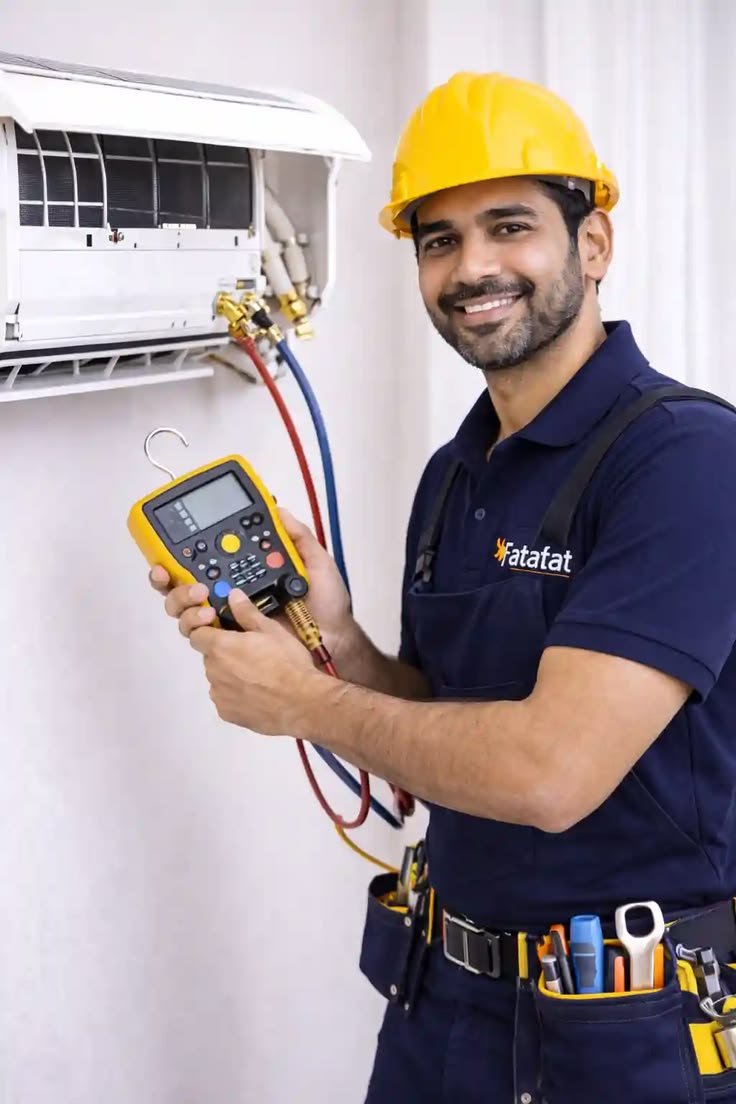
Why Is My AC Running but Not Cooling the House? A Complete Guide for Texas Homeowners
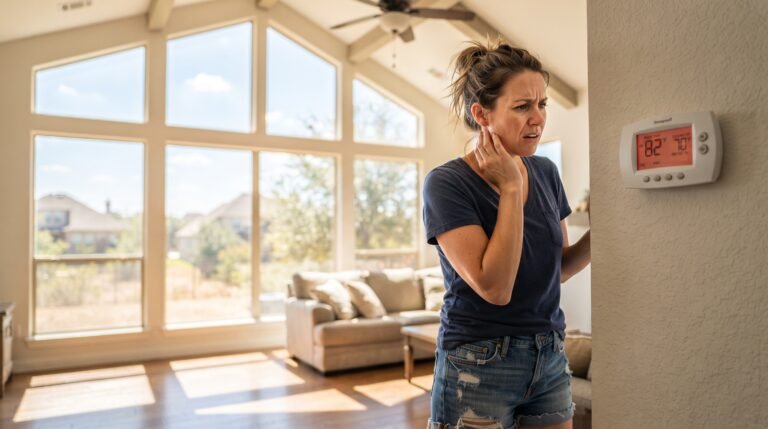
If your AC is running but not cooling the house, you are not alone. Thousands of homeowners across Dallas, Houston, Austin, San Antonio, Fort Worth, and El Paso face this exact problem every summer — the unit hums along, but the indoor temperature refuses to drop. This guide breaks down the most common causes of AC not cooling, practical troubleshooting steps you can try right now, and when it is time to call a certified AC repair technician in Texas before the heat becomes unbearable.
Understanding the AC Problem
An air conditioner that runs without cooling is one of the most frustrating H VAC issues a homeowner can experience. The system appears to be working — you can hear the compressor, feel air moving through the vents — yet the thermostat reading never budges.
The core issue is usually a disconnect between the mechanical operation of the unit and its actual cooling capacity. Air conditioners work by absorbing heat from indoor air and releasing it outside. When any part of that cycle breaks down, you get airflow without temperature reduction. Understanding this process helps you identify where the failure is happening and whether you need a simple fix or professional central air repair.
Common AC Problems Homeowners Face in Texas
Texas summers are relentless. With temperatures routinely climbing above 100 degrees Fahrenheit in cities like Dallas and San Antonio, your AC system works harder than virtually any other appliance in your home. The extreme heat accelerates wear and magnifies existing issues.
Some of the most frequently reported AC problems across Texas include:
- Warm air blowing from vents despite the system being set to cool
- Uneven cooling where some rooms feel comfortable while others remain hot
- AC unit freezing up even in peak summer heat
- Skyrocketing energy bills with no improvement in indoor comfort
- Short cycling, where the unit turns on and off repeatedly without completing a full cooling cycle
- Weak airflow that barely reaches across the room
These are not just inconveniences — in Texas heat, a failing AC can quickly become a health and safety concern, especially for elderly residents and young children.
What Causes These AC Issues?
Several underlying factors can cause your air conditioner to run without effectively cooling your home. Here are the most common culprits:
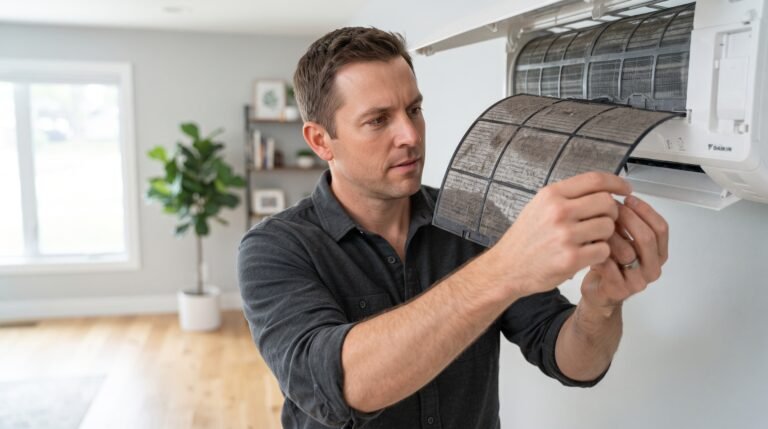
Dirty or Clogged Air Filter A blocked air filter restricts airflow across the evaporator coil. When warm air cannot flow properly over the coil, the system loses its ability to transfer heat efficiently. This is one of the leading causes of AC under performance and is entirely preventable.
Low Refrigerant Levels Refrigerant is the chemical that absorbs heat from your indoor air. If your system has a refrigerant leak, it cannot cool effectively regardless of how long it runs. Low refrigerant also causes the evaporator coil to freeze, further blocking airflow.
Frozen Evaporator Coil When refrigerant levels drop or airflow is restricted, moisture on the evaporator coil can freeze solid. A frozen coil acts as a barrier rather than a heat exchange, causing your system to blow lukewarm or room-temperature air.
Dirty Condenser Coils The outdoor unit releases the heat absorbed from your home. If the condenser coils are coated in dust, debris, or grime, heat cannot escape efficiently. In Texas, dust and allergen buildup is a year-round issue that makes this problem especially common.
Faulty Compressor The compressor is the heart of your AC system. A failing compressor cannot properly pressurize the refrigerant, which shuts down the entire cooling process. Compressor issues typically require professional diagnosis and represent one of the more costly air conditioner repair scenarios.
Leaky or Poorly Insulated Duct-work Even if your AC unit is functioning perfectly, cool air can escape through gaps or cracks in your duct system before it ever reaches your living spaces. This is a hidden problem that many Texas homeowners overlook for years.
Step-by-Step Troubleshooting Tips
Before calling for emergency AC repair, there are several safe, DIE-friendly steps you can take to diagnose the problem.
Step 1 — Check and Replace Your Air Filter Locate your air filter (typically near the return air vent or air handler) and inspect it. If it looks gray, clogged, or visibly dirty, replace it immediately. Filters should be changed every 30 to 90 days depending on household conditions.
Step 2 — Inspect Your Thermostat Settings Verify that your thermostat is set to “Cool” and not “Fan Only.” A thermostat set to fan-only mode will circulate air without activating the cooling cycle. Also check that the temperature setting is actually lower than the current room temperature.
Step 3 — Check the Outdoor Condenser Unit Walk outside and look at your condenser unit. Make sure it is running, that the fan is spinning, and that nothing is blocking airflow around it. Clear away any plants, debris, or objects within two feet of the unit.
Step 4 — Look for Ice on the Evaporator Coil Turn off your system and switch the fan to “On” to let it run without cooling. Check whether ice is forming around the indoor unit. If you spot ice buildup, the unit needs to thaw before it can cool again — but the underlying cause still requires professional attention.
Step 5 — Check Your Circuit Breaker A tripped breaker can cause the outdoor compressor to stop while the indoor fan continues running — creating the illusion that the system is working when it actually is not cooling. Reset any tripped breakers and monitor the system.
If none of these steps resolve the issue, it is time to reach out to a licensed H VAC technician.
When to Call a Professional AC Repair Technician
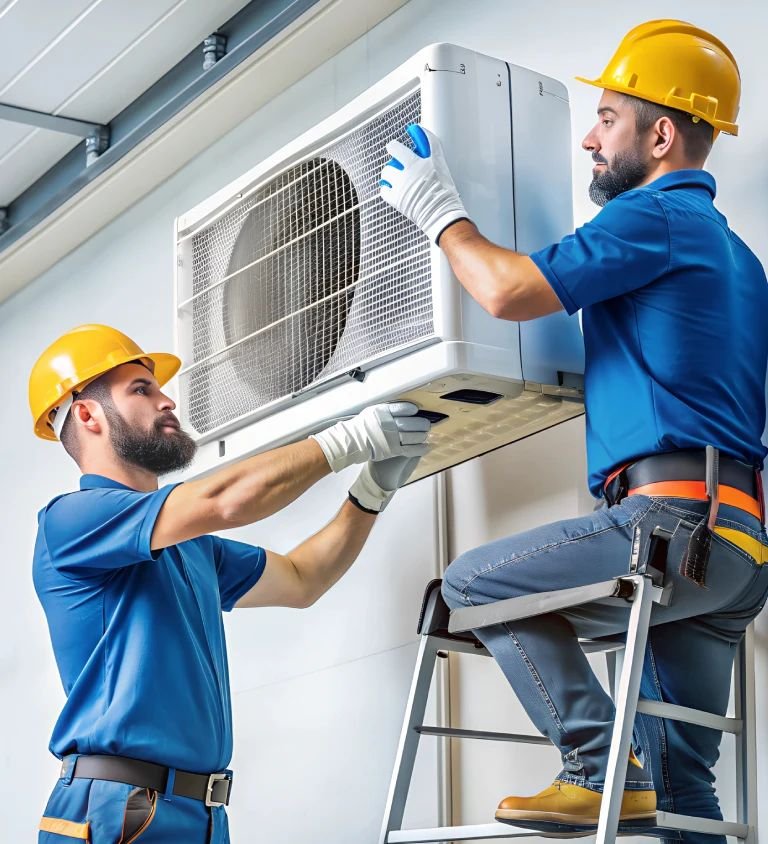
Some AC problems go beyond what a homeowner can safely address. You should call a certified AC repair professional in Texas if you notice:
- Refrigerant leaks or frost buildup that returns after thawing
- Grinding, banging, or screeching noises from the unit
- The system has not been serviced in more than 12 months
- Your electricity bills have spiked without explanation
- The AC still is not cooling after completing the DIE steps above
Do not delay calling for professional help. In Texas summer heat, a malfunctioning AC can make indoor temperatures dangerous within hours. You can schedule emergency AC repair or a full AC tune-up by visiting hvacservicetexas.com or calling +1 866-502-1393 to speak with a local H VAC professional near you.

Benefits of Hiring a Local AC Repair Expert
Choosing a local H VAC technician in Texas rather than a national chain comes with real advantages. Local professionals understand the specific demands Texas climate places on cooling systems — from the extended 10-month cooling season to the impact of high humidity in Houston or extreme dry heat in El Paso.
A certified AC technician near you can:
- Accurately diagnose refrigerant leaks without guesswork using professional gauges and leak detection tools
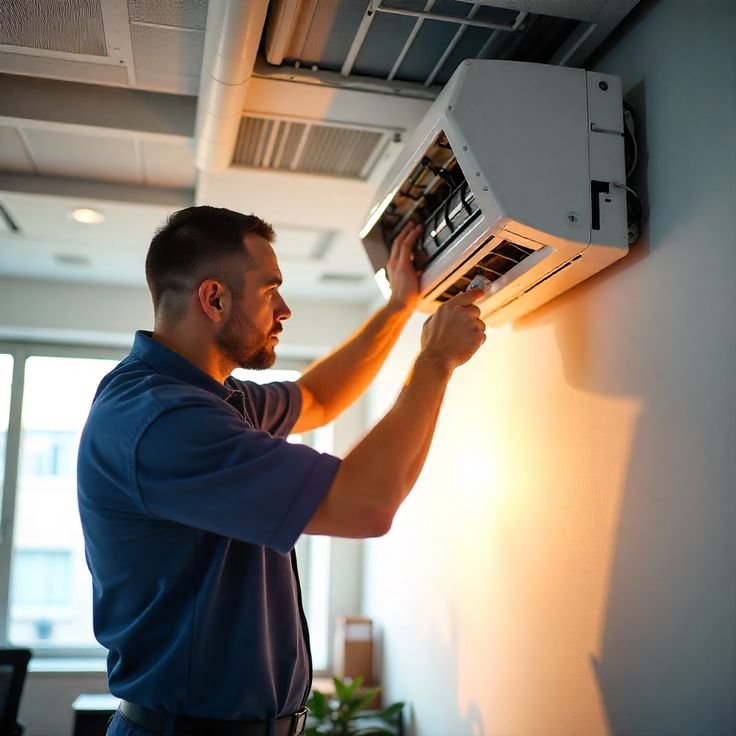
- Restore system efficiency through a comprehensive AC tune-up that covers cleaning coils, checking electrical connections, and calibrating the thermostat
- Identify duct-work inefficiencies that cause cool air loss in your home
- Offer preventative AC maintenance near you to catch small problems before they become expensive failures
- Provide warranty-backed repairs that give you peace of mind throughout the cooling season
Working with a local AC professional also means faster response times, especially during peak summer months when every hour without cooling matters.
An AC running but not cooling the house is a clear signal that something in your system needs attention — whether it is a clogged filter, low refrigerant, a frozen coil, or a more serious mechanical issue. Texas homeowners in Dallas, Houston, Austin, San Antonio, Fort Worth, and El Paso cannot afford to let these problems linger when outdoor temperatures reach triple digits.
Start with the basic troubleshooting steps outlined above, but do not hesitate to call in a professional when the problem persists. Timely air conditioner repair saves you money, protects your family’s comfort, and extends the life of your H VAC system.
For fast, reliable AC repair service from certified local H VAC professionals, visit hvacservicetexas.com or call now at +1 866-502-1393. Do not wait until the heat becomes unbearable — book your AC service today and get your home back to the cool comfort it deserves.


One Comment