
What Size AC Do I Need for My House? A Complete Guide for Texas Homeowners
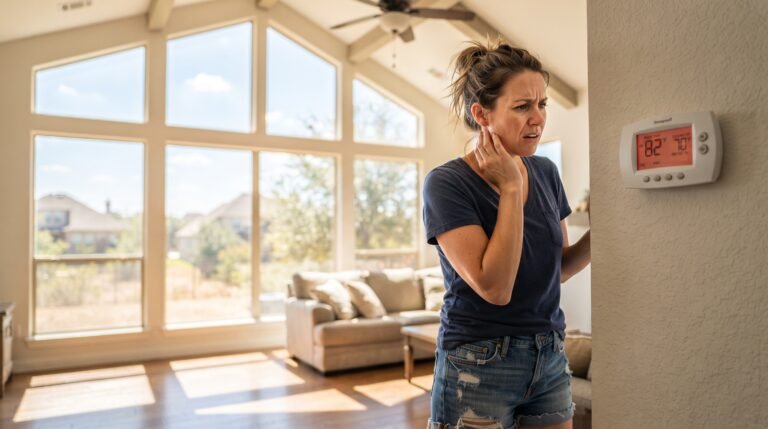
It is the middle of July in Houston, and your home feels more like a sauna than a sanctuary. You crank up the thermostat, but the air blowing through your vents is barely cool. Sound familiar? For millions of Texas homeowners in Dallas, Austin, San Antonio, Fort Worth, and El Paso, this occurs. Most often, the root cause is not a broken unit. It is the wrong size AC for the home.

Choosing the right AC size is one of the most critical decisions a Texas homeowner can make. An undersized unit runs constantly and never keeps up with the heat. An oversize unit short-cycles, wastes energy, and leaves your home feeling humid and uncomfortable. Getting the sizing right from the start separates a cool, efficient home from a miserable, expensive one. Re-calibrating after an air conditioner repair also matters.
Understanding AC Sizing: What Does “Size” Really Mean?
When HVAC professionals talk about AC size, they are referring to the unit’s cooling capacity, measured in British Thermal Units (BTUs) or tons. One ton of cooling capacity equals 12,000 BTUs per hour. Residential AC units typically range from 1.5 tons to 5 tons.
The size you need depends on far more than just square footage. A proper calculation — known in the industry as a Manual J Load Calculation — takes several factors into account, including ceiling height, insulation quality, window size and orientation, local climate, and how many people live in the home.
In Texas, where summer temperatures routinely exceed 100°F, this calculation carries even more weight. Homes in Houston deal with extreme humidity. Homes in El Paso face intense dry heat. A one-size-fits-all approach simply does not work for central air repair and installation in this state.
Common AC Sizing Problems Texas Homeowners Face
Texas homeowners in Dallas, Houston, Austin, San Antonio, Fort Worth, and El Paso frequently report the following issues that are directly tied to improper AC sizing:
- AC not cooling the home evenly: Some rooms are freezing while others stay warm, which often points to a unit that is too large and short-cycling before it can properly distribute air.
- Humidity problems indoors: An oversize AC blasts cool air quickly but does not run long enough to remove moisture, leaving the home feeling clammy and uncomfortable.
- Skyrocketing energy bills: An undersized unit that runs around the clock drives electricity costs through the roof during peak Texas summer months.
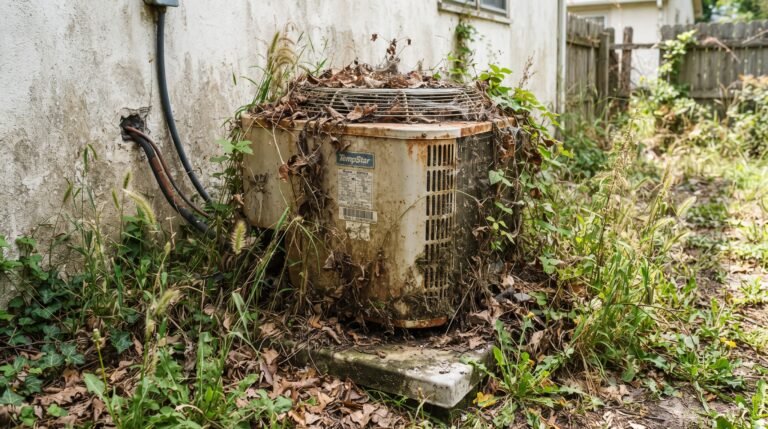
- Frequent breakdowns requiring emergency AC repair: Oversize and undersized units both wear out faster, leading to repeated service calls and costly repairs.
- Premature system failure: A system that is constantly under stress — whether from overworking or short-cycling — has a significantly shorter lifespan.
What Causes AC Sizing Issues?
Most sizing problems originate at the installation stage. Here are the most common culprits:
Contractor Shortcuts: Some installers rely on a quick rule-of-thumb estimate (like 500 square feet per ton) rather than performing a proper Manual J Load Calculation. This is almost always inaccurate in Texas climates.
Home Renovations: If you have added square footage, upgraded windows, or changed your insulation since your system was installed, your current AC may no longer be appropriately sized for your home.
Replacement Errors: When a unit fails and needs replacing, some homeowners simply request the same size system. But if the original unit was incorrectly sized, you end up repeating the same mistake.
Aging Infrastructure: Older homes across Texas — particularly in San Antonio and Dallas — were often built with different insulation standards. What worked in 1985 may not meet the demands of today’s household.
Step-by-Step Guide to Estimating the Right AC Size
While a certified HVAC technician should always perform the final load calculation. These steps can help you get a ballpark understanding before making any decisions.
Step 1 — Calculate Your Square Footage Measure the total conditioned living space in your home. Do not include garages, attics, or unconditioned basements.
Step 2 — Apply a Base BTU Estimate A general starting point is 20 BTUs per square foot. For a 2,000-square-foot home, that is approximately 40,000 BTUs, or roughly 3.5 tons.
Step 3 — Adjust for Texas Climate Conditions Because Texas summers are extreme, it is standard practice to add 10–15% to your base estimate for most Texas cities. Homes in West Texas or along the Gulf Coast may require further adjustment due to dry heat or humidity factors.
Step 4 — Factor In Additional Variables Add approximately 600 BTUs for each additional person living in the home beyond two occupants. South-facing rooms with large windows may also require a sizing adjustment upward. Well-shaded homes or those with superior insulation may require slightly less capacity.
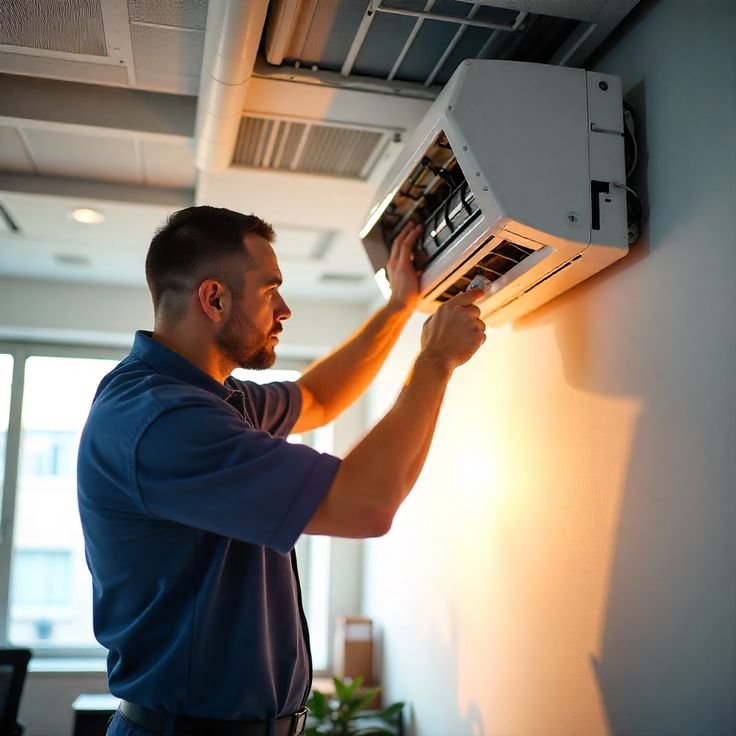
Step 5 — Consult a Local HVAC Professional These calculations give you a starting framework, but they are not a substitute for a professional evaluation. A certified AC technician in Texas will use software-based Manual J calculations to deliver an accurate result tailored to your exact home and ZIP code.
If your system is already installed and you are experiencing problems, a thorough AC tune-up and inspection can determine whether sizing is contributing to your issues. You can find a local AC technician near you at HVAC Service Texas and get an expert assessment without delay.
When to Call a Professional AC Repair Technician
DIY estimates are a helpful starting point, but there are clear signs that it is time to pick up the phone and call a professional:
- Your home never reaches the set temperature, even after extended AC operation
- You are scheduling emergency AC repair calls more than once per season
- Your energy bills have increased significantly without a change in usage habits
- The system is short-cycling — turning on and off every few minutes
- You are planning a home addition, renovation, or full system replacement
- Your current system is over 10 years old and losing efficiency
Do not wait for a complete breakdown in the middle of a Texas heat wave. Early intervention through professional AC maintenance near you can prevent minor sizing. And performance issues from turning into full system failures.
Benefits of Hiring a Local AC Repair Expert in Texas
Working with local HVAC professionals who understand the specific demands of the Texas climate. This offers clear advantages over national chains or out-of-state contractors.
Local technicians are familiar with the seasonal patterns in Dallas, Houston, Austin, San Antonio, Fort Worth, and El Paso. They understand how humidity in Southeast Texas differs from the dry conditions in West Texas, and they size systems accordingly. They also know local building codes, energy efficiency rebates available through Texas utility providers. And the most reliable equipment brands for the regional climate.
Beyond expertise, local AC professionals offer faster response times. Especially critical during emergency AC repair situations in the peak of summer. When you need central air repair fast, having a trusted local team already familiar with your system makes all the difference.
A proper AC tune-up from a qualified local technician can also reveal whether your existing system is appropriately sized and performing at its rated efficiency — potentially saving you hundreds of dollars per year in energy costs.
Get the Right AC Size and Stop Suffering Through Texas Summers
Choosing the wrong AC size is one of the most expensive mistakes a Texas homeowner can make. Whether you are dealing with an AC not cooling properly, unusually high energy bills, or a system that breaks down far too often, the root cause may be as simple — and as fixable — as improper sizing.
Do not guess. Do not rely on outdated estimates or contractor shortcuts. Work with a certified HVAC technician who will take the time to perform a thorough load calculation, inspect your home’s insulation and airflow, and recommend the right system for your specific needs — whether you are in Houston, Dallas, Austin, San Antonio, Fort Worth, or El Paso.
The team at HVAC Service Texas is ready to help you get it right. From professional AC sizing consultations and full system installations to emergency AC repair and seasonal tune-ups, local experts are standing by to keep your home cool and comfortable all summer long.
Call now and speak with a certified AC technician: +1 866-502-1393. Do not let another Texas summer catch you off guard.