Common Air Conditioning Problems Homeowners Should Know: A Complete Guide for Texas Residents
When your AC stops working in the middle of a Texas summer, the discomfort sets in within minutes. Whether you live in Dallas, Houston, Austin, San Antonio, or Fort Worth. A malfunctioning air conditioning system is not just an inconvenience. It can become a genuine health risk when outdoor temperatures exceed 100 degrees. Knowing the most common air conditioning problems homeowners face. And also understanding what causes them, puts you in a much stronger position to act fast and make informed decisions.
Do not wait for a full breakdown. One call today can save you hundreds tomorrow.
Understanding Common Air Conditioning Problems
Air conditioning problems come in many forms. Ranging from minor issues you can address yourself to serious mechanical failures that require immediate professional intervention. The challenge for most homeowners is that AC systems rarely break down all at once. Problems develop gradually. And by the time you notice your AC is not cooling properly. The underlying issue may have been building for weeks or even months.
Understanding these problems early is the difference between a simple AC tune-up and a full system replacement. This guide covers the most common AC problems reported by Texas homeowners what causes them. And the smartest steps to take when something goes wrong.
Common Air Conditioning Problems, Homeowners Face in Texas
Texas homeowners deal with air conditioning challenges that many other states simply do not experience at the same intensity. The combination of relentless heat, high humidity in coastal areas like Houston, and systems that run nearly year-round creates the perfect environment for AC breakdowns. Here are the most common problems across the state:
AC Not Cooling Properly This is the number one complaint across Dallas, Austin, and San Antonio. The system runs continuously but never brings the indoor temperature down to the set level. This can indicate low refrigerant, a dirty condenser coil, or a failing compressor.
Weak or Reduced Airflow If air coming from your vents feels weak or uneven from room to room, the problem likely lies with a clogged air filter, a failing blower motor, or duct work leaks that are bleeding conditioned air into unconditioned spaces like attics or crawl spaces.
AC Freezing Up A frozen evaporator coil is more common than most homeowners realize. When ice builds up on the indoor unit, the system loses its ability to cool air effectively. This is typically caused by restricted airflow or low refrigerant levels.
Water Leaks Around the Indoor Unit Excess moisture around your air handler usually means the condensate drain line is clogged. In Houston and other high-humidity areas, this problem occurs frequently and can lead to water damage and mold growth if left unaddressed.
Unusual Noises Rattling, banging, squealing, or grinding coming from either the indoor or outdoor unit signals mechanical trouble. These sounds often point to loose components, failing motor bearings, or debris caught inside the outdoor condenser unit.
Short Cycling When the AC turns on and off in rapid, short bursts rather than completing a full cooling cycle, it stresses the compressor and dramatically increases energy bills. Short cycling is commonly caused by an oversize system, a refrigerant leak, or a failing thermostat.
High Energy Bills Without Increased Usage A sudden spike in your electricity bill during summer months — without any change in how you use your AC — is a strong signal that your system is working harder than it should, often due to a maintenance issue that has reduced its efficiency.
What Causes These AC Issues?
Most common air conditioning problems share a root cause: deferred maintenance. When systems go without regular inspections and AC tune-ups, small issues compound into serious failures. Here is a breakdown of the most frequent causes:
Dirty Air Filters: In Texas, where dust, pollen, and allergens are elevated, air filters clog faster than in most other states. A dirty filter restricts airflow across the evaporator coil, causing the entire system to strain and eventually freeze or overheat.
Refrigerant Leaks: Refrigerant does not get “used up” like fuel. If your system is low on refrigerant, it means there is a leak somewhere in the system. Low refrigerant is one of the leading causes of AC not cooling issues and requires a licensed VAC technician to locate, repair, and recharge properly.
Aging Electrical Components: Capacitors and contractors are small but critical parts that start the motors in your AC system. These components have a limited lifespan and are among the most commonly replaced parts during central air repair service calls in Fort Worth and surrounding areas.
Neglected Coils: Both the evaporator coil inside and the condenser coil outside accumulate dirt over time. Dirty coils reduce heat transfer efficiency, forcing the system to run longer and work harder to achieve the same cooling result.
Improper Installation: Systems that were incorrectly sized or poorly installed from the beginning will suffer from recurring problems regardless of how much maintenance they receive. An oversize system, for example, will short cycle constantly, while an undersized one will run nonstop and never quite cool the space.
Step-by-Step DIE Troubleshooting Tips for Texas Homeowners
Before calling for emergency AC repair, there are several safe, homeowner-friendly checks you can perform:
- Check your thermostat first. Make sure it is set to “Cool” mode and that the set temperature is at least 5 degrees below the current indoor temperature. Replace the batteries if the display seems dim or unresponsive.
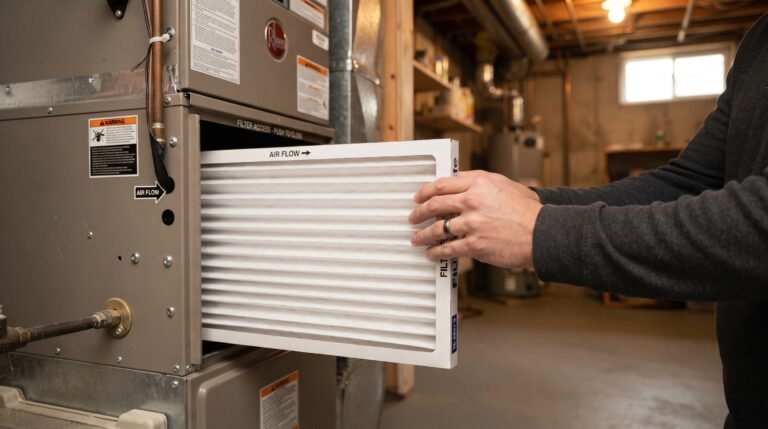
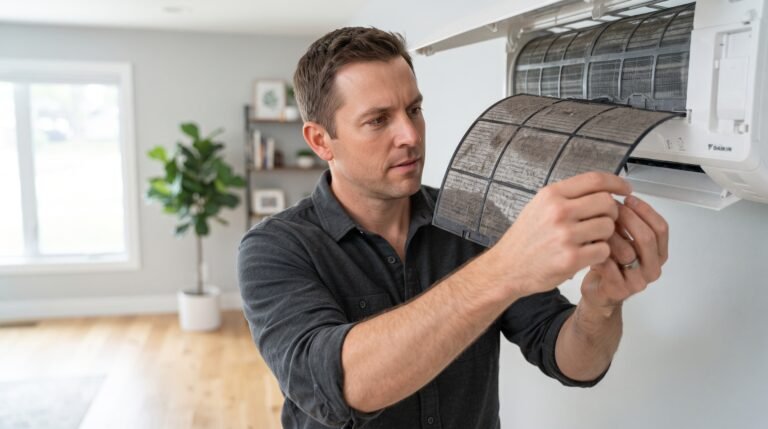
- Inspect and replace the air filter. A clogged filter is the single most common cause of AC performance issues and takes less than five minutes to address. Replace it if it looks gray and matted.
- Check the circuit breaker. Go to your electrical panel and confirm that the breaker for your AC system has not tripped. Reset it once if it has, but if it trips again, call a professional immediately.
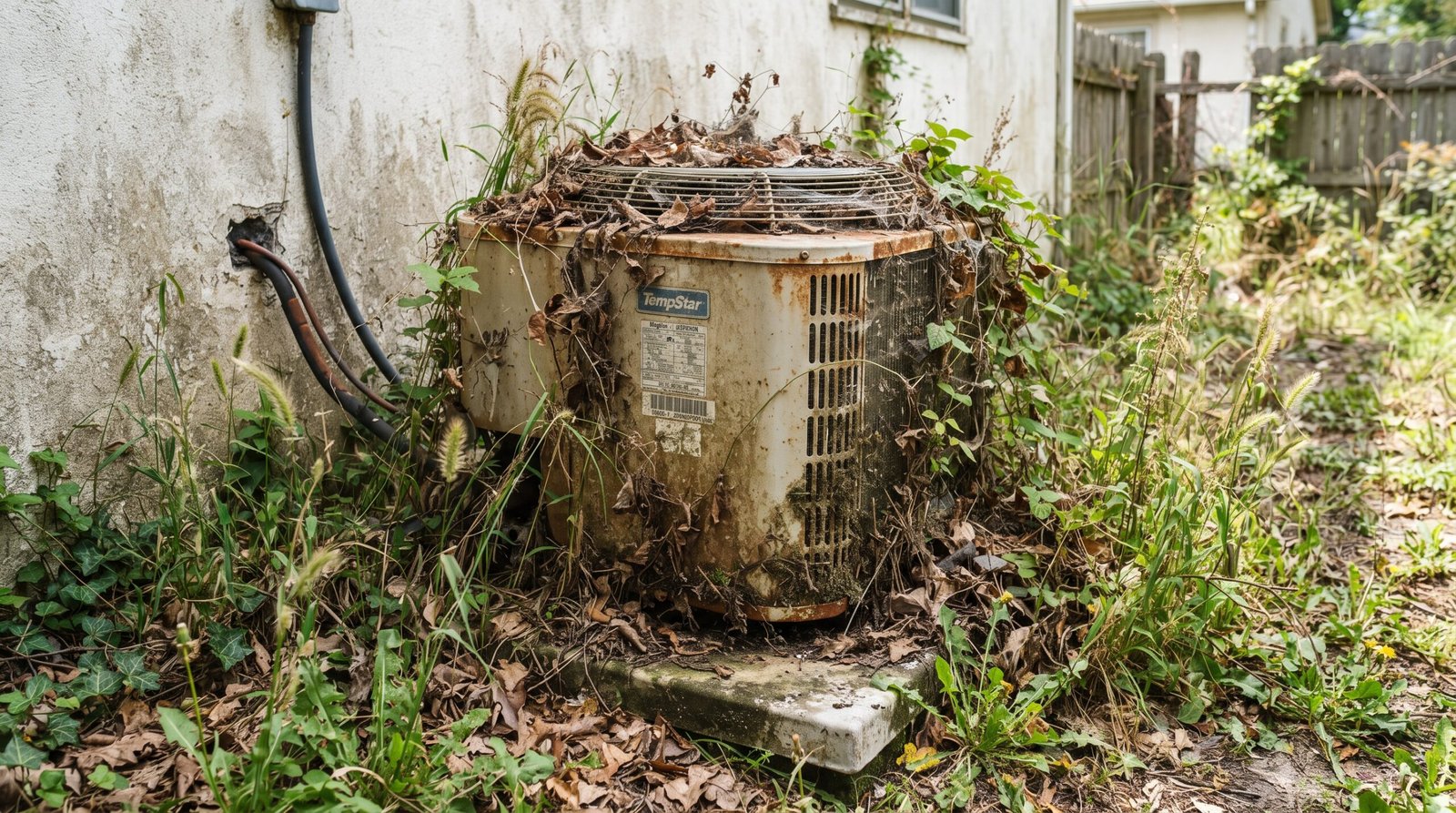
- Clear the area around your outdoor unit. Remove any leaves, grass, or debris from around the condenser. Ensure at least two feet of clearance on all sides for proper airflow.
- Check the condensate drain line. Locate the PVC drain pipe near your indoor unit and check for visible blockages. A simple flush with diluted vinegar or bleach solution can clear minor clogs.
- Inspect your vents. Walk through your home and confirm that all supply and return air vents are open and not blocked by furniture, rugs, or curtains.
If none of these steps resolve the issue, it is time to contact a certified AC technician in Texas. For professional diagnostics and repairs, you can find a local AC technician near you at hvacservicetexas.com — serving homeowners across Dallas, Houston, Austin, San Antonio, and Fort Worth.
When to Call a Professional AC Repair Technician
Certain AC problems go beyond what any homeowner should attempt to fix without professional training and proper equipment. Call a licensed VAC technician without delay if you experience any of the following:
- Ice or frost forming on refrigerant lines or the indoor coil
- A burning smell or any signs of electrical scorching near the unit
- Refrigerant hissing sounds or warm air blowing from vents on a hot day
- The system fails to turn on at all despite power being confirmed
- Water is actively leaking into your home from the air handler
- Your energy bill has increased by 25 percent or more without explanation
These are not situations where waiting makes sense. In Texas heat, a non-functional AC can escalate from uncomfortable to dangerous very quickly, especially for elderly residents, young children, and those with medical conditions.
Benefits of Hiring a Local AC Repair Expert in Texas
Choosing a local VAC professional over a national chain or unlicensed handyman comes with significant practical advantages that directly benefit Texas homeowners.
Same-Day and Emergency Availability: Local technicians in Houston, Dallas, and Austin can typically respond the same day, making them the best resource when you need emergency AC repair in the middle of a summer heat wave.
Texas-Specific Expertise: A certified AC technician in Texas understands the unique demands of the local climate — from the Gulf Coast humidity that accelerates coil corrosion in Houston to the extreme dry heat that taxes compressors in West Texas and Fort Worth. This regional knowledge leads to more accurate diagnoses and longer-lasting repairs.
Transparent Pricing and Accountability: Local VAC companies rely on their reputation within the community. They are more likely to provide honest assessments, upfront pricing, and stand behind their work with meaningful service guarantees.
Preventative Maintenance Plans: Many local VAC professionals offer seasonal AC maintenance near you that includes full system inspections, coil cleaning, refrigerant checks, and electrical testing — all for a fraction of what a single emergency repair costs.
Longer System Lifespan: Homes that receive regular professional maintenance consistently see their AC systems last several years longer than neglected units, reducing the frequency and cost of full system replacements.
Know the Problems, Act Before They Get Worse
The most common air conditioning problems facing Texas homeowners are predictable, manageable, and in most cases, entirely preventable with the right maintenance and early intervention. Whether your system is short cycling in San Antonio, freezing up in Austin, or simply not cooling your Dallas home the way it used to, the worst decision you can make is to ignore the warning signs and hope the problem resolves itself.
AC problems do not get better on their own. They get more expensive, more disruptive, and harder to fix the longer they are left unaddressed.
Take action today. Visit hvacservicetexas.com to schedule your professional AC inspection or repair service with trusted local VAC experts across Texas. You can also call us directly at +1 866-502-1393 — our certified technicians are standing by to restore your comfort quickly, professionally, and at a price that makes sense.
Do not wait for a full breakdown. One call today can save you hundreds tomorrow.