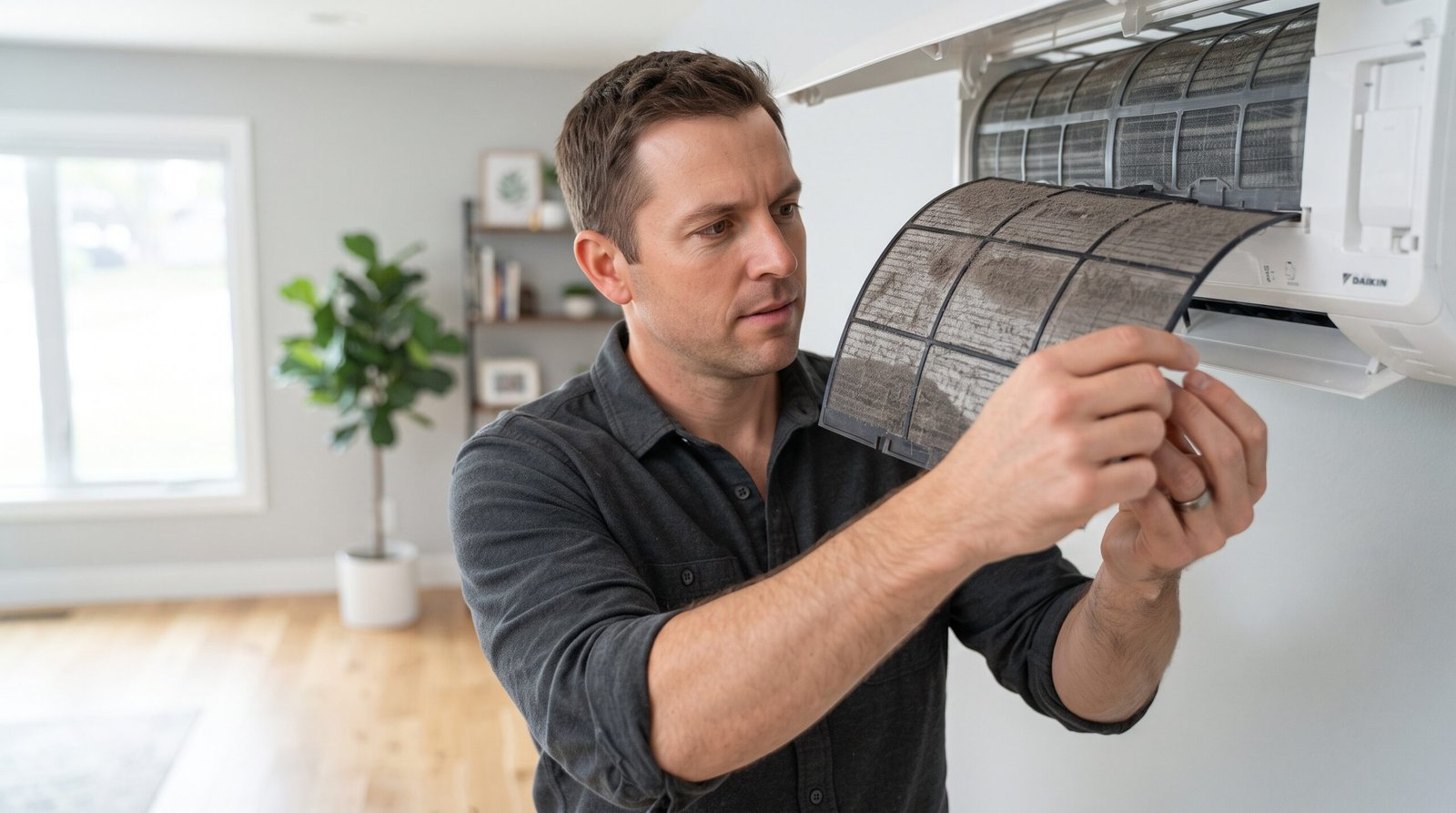
AC Maintenance Checklist: What Should Be Checked to Keep Your System Running All Summer?
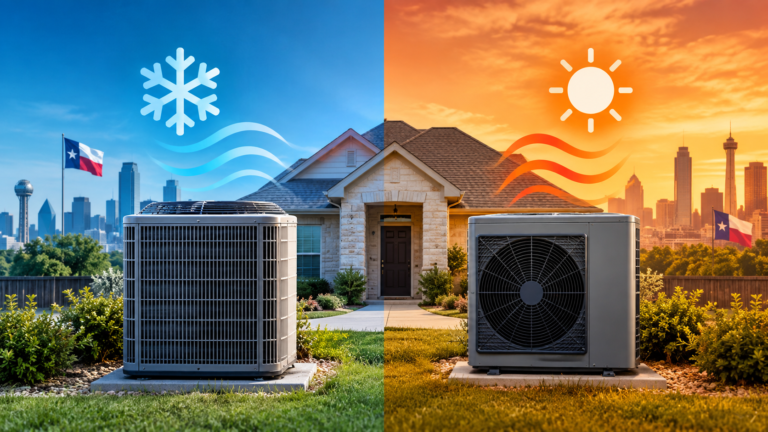
Imagine it’s the peak of a Texas summer — temperatures in Dallas, Houston, or San Antonio are pushing. Past 100 degrees — and your AC suddenly stops cooling. It’s a nightmare scenario that thousands of Texas homeowners face every year. And in most cases, it could have been prevented with a proper AC maintenance checklist. Understanding what needs to be checked ? And when is one of the smartest moves you can make to protect your home’s comfort and your wallet.
Understanding AC Maintenance and Why It Matters
AC maintenance is not just about changing a filter once a year. It is a comprehensive process that involves inspecting, cleaning, and testing every critical component of your air conditioning system. When your system goes without regular care, efficiency drops, energy bills climb, and small problems evolve into costly breakdowns that require emergency AC repair.
For Texas homeowners specifically, the demands placed on an air conditioning system are extreme. Systems in cities like Austin, Fort Worth, and Houston often run eight or more months out of the year. That level of usage accelerates wear and makes scheduled AC tune-ups not optional — they are essential.
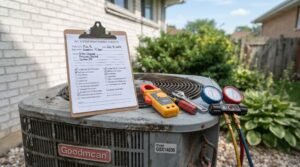
Common AC Problems Homeowners Face in Texas
Texas homeowners deal with a unique set of air conditioning challenges driven by intense heat, high humidity, and prolonged cooling seasons. The most frequently reported issues include:
- AC not cooling properly despite the system running continuously
- Frozen evaporator coils caused by restricted airflow or low refrigerant
- Dirty or clogged air filters that choke system performance
- Refrigerant leaks that reduce the system’s ability to cool effectively
- Tripped circuit breakers due to overworked compressors
- Drainage line clogs leading to water leaks and humidity problems indoors
- Faulty thermostats that cause inconsistent temperature control
These issues are especially common in Dallas and San Antonio during peak summer months when systems are pushed to their limits for weeks on end without a break.
What Causes These AC Issues?
Most AC problems do not happen overnight. They develop slowly over time due to neglect, skipped maintenance, or the normal wear and tear that comes with heavy usage. Here are the primary culprits:
Lack of Regular Maintenance: When an AC system never receives a professional inspection, dust builds up on coils, motors begin to strain, and small refrigerant leaks go undetected until the system stops cooling entirely.
Clogged Air Filters: In Texas, where pollen levels and dust are high, air filters can become clogged within 30 days during peak season. A dirty filter restricts airflow, causes the system to overheat, and eventually leads to a complete system shutdown.
Aging Components: Capacitors, contractors, and fan motors all have a limited service life. As these parts wear down, the system struggles to start, run efficiently, or maintain set temperatures.
Refrigerant Loss: Low refrigerant is one of the most common reasons for AC not cooling issues. It typically points to a leak in the system that requires professional diagnosis and repair — not a DIE fix.
Outdoor Unit Blockages: In Houston and Fort Worth, debris, leaves, and vegetation frequently collect around condenser units, reducing airflow and causing the system to overheat.
AC Maintenance Checklist: Step-by-Step What to Check
Here is a practical, DIE-safe checklist every Texas homeowner should follow to keep their AC system in top condition:
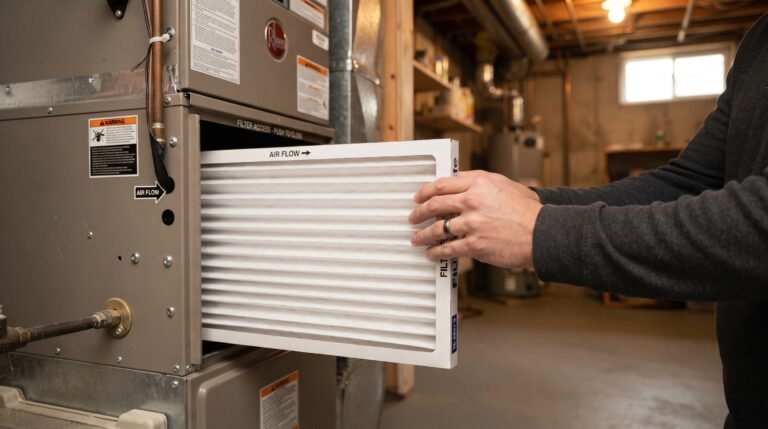
Air Filter Inspection and Replacement
Check your air filter every 30 days and replace it every 30 to 60 days during peak cooling season. Use a filter with the correct rating recommended by your ac technician.
Thermostat Settings
Verify that your thermostat is set to “cool” mode and that the temperature differential between indoor and outdoor is being maintained. If temperatures are drifting, consider upgrading to a programmable smart thermostat.
Outdoor Condenser Unit
Walk around your outdoor unit and remove any leaves, grass clippings, or debris from around the unit. Keep at least two feet of clear space on all sides for proper airflow.
Indoor Vents and Registers
Ensure all supply and return air vents throughout your home are open and unobstructed. Blocked vents are a surprisingly common cause of uneven cooling in two-story homes in Austin and San Antonio.
Condensate Drain Line
Locate the drain line near your indoor unit and check for any standing water or visible algae growth. You can carefully flush the line with a diluted bleach solution to prevent clogs.
Circuit Breaker and Power Supply
Confirm that the circuit breaker for your AC system is not tripped. If it trips repeatedly, stop resetting it and call a certified AC technician in Texas immediately — repeated tripping signals a deeper electrical issue.
Listen for Unusual Sounds
Turn the system on and listen carefully. Rattling, banging, squealing, or grinding noises indicate mechanical problems that require professional attention before they escalate.
For a full system inspection and professional AC tune-up, you can find a local AC technician near you at hvacservicetexas.com — serving Dallas, Houston, Austin, San Antonio, and Fort Worth.
When to Call a Professional AC Repair Technician
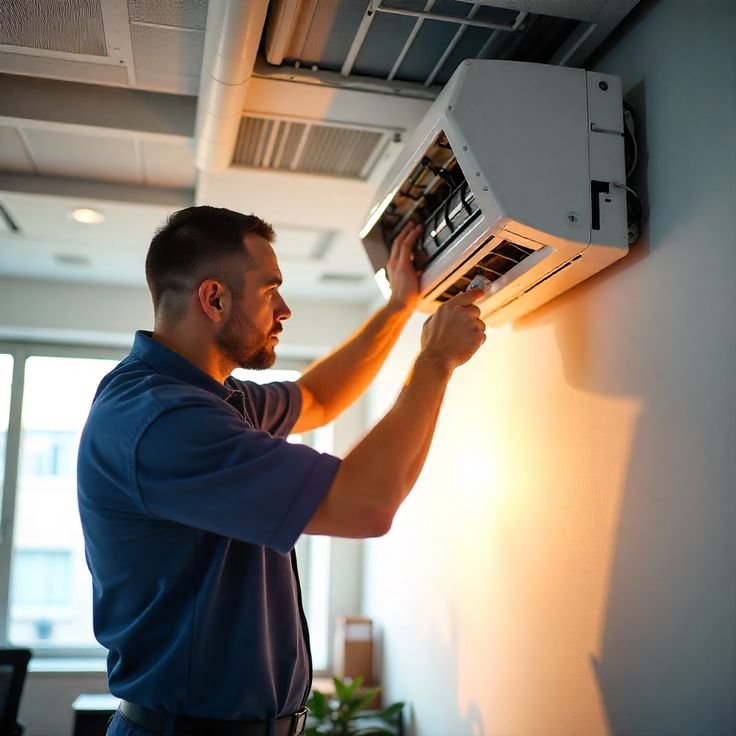
Some maintenance tasks are safe for homeowners to handle, but many AC problems require the expertise of a licensed ac technician. You should call a professional immediately if:
- Your AC is running but not cooling the home below the set temperature
- You notice ice forming on the refrigerant lines or evaporator coil
- There is a burning smell or electrical odor coming from any unit
- Your energy bills spike without any change in usage patterns
- The system short-cycles — turning on and off repeatedly in short intervals
- You suspect a refrigerant leak (hissing sounds, warm air, higher humidity indoors)
Attempting to handle refrigerant issues, electrical components, or central air repair without proper licensing is not only dangerous but also illegal under federal EPA regulations. These are situations that demand a qualified, experienced ac technician without delay.
Benefits of Hiring a Local AC Repair Expert in Texas
Working with local HVAC professionals who understand Texas climate conditions comes with real advantages:
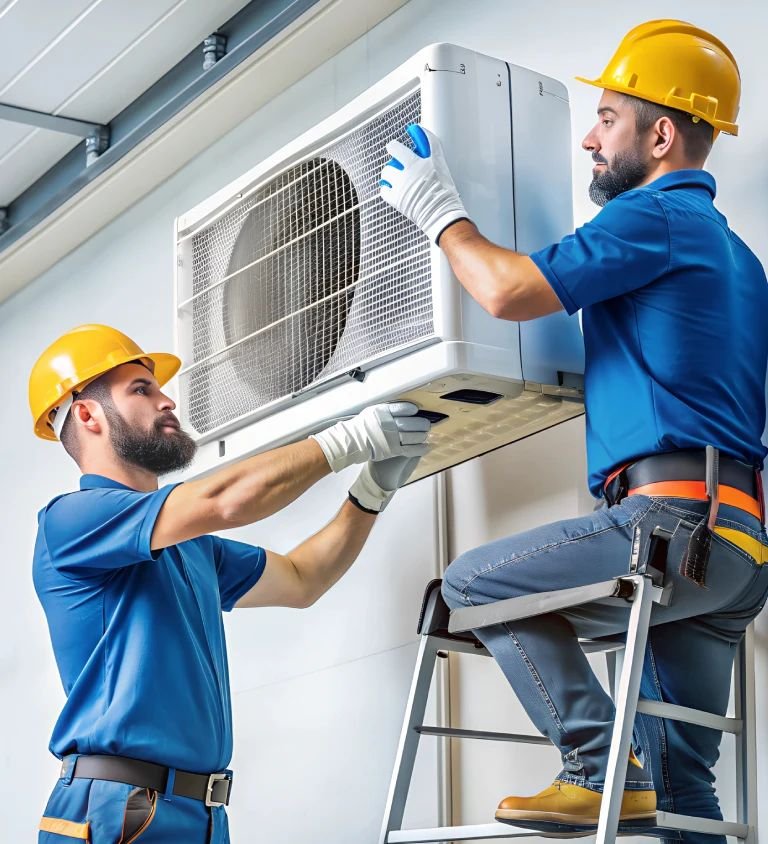
Faster Response Times: Local technicians in Dallas, Houston, and Austin can respond the same day or provide emergency AC repair service when your system fails during a heat wave — when you need help most.
Familiarity with Regional Conditions: A certified AC technician in Texas understands the specific demands of the Texas climate, from coastal humidity in Houston to the dry heat in Fort Worth, and will recommend the right solutions accordingly.
Accurate Diagnosis: Professional technicians use calibrated tools to check refrigerant pressure, test electrical components, and measure airflow — providing a precise diagnosis rather than a guesswork-based fix.
Longer System Life: Homes that receive regular professional AC maintenance near them see systems that last two to five years longer than neglected units, saving thousands in early replacement costs.
Warranty Protection: Many ac manufacturers require documented professional maintenance to keep equipment warranties valid. Skipping annual service could void your coverage when you need it most.
Do Not Wait for a Breakdown — Act Now
Your air conditioning system is one of the hardest-working appliances in your Texas home, and it deserves the attention it needs to keep performing. The AC maintenance checklist above gives you a strong starting point for protecting your system, but there is no substitute for a professional inspection performed by a certified local ac technician.
Do not wait until your AC stops working on the hottest day of the year to take action. Proactive maintenance is always more affordable than emergency AC repair, and it keeps your family comfortable when the Texas heat is at its worst.
Schedule your AC maintenance or repair service today at hvacservicetexas.com — your trusted partner for AC repair in Dallas, Houston, Austin, San Antonio, and Fort Worth. Our certified ac technicians are ready to inspect, tune up, and protect your system so you never have to sweat through a breakdown again.
Call us now at +1 866-502-1393 — because your comfort cannot wait.
AC Maintenance Checklist TexasAC Repair Service Dallas Houston AustinAir Conditioner Repair TexasHVAC Technician Near Me TexasAC Tune-Up Texas HomeownersEmergency AC Repair TexasCentral Air Repair San Antonio Fort WorthAC Not Cooling Fix TexasLocal HVAC Professionals TexasCertified AC Technician Texas