How Often Should a Furnace Be Serviced – A Complete Guide for Texas Homeowners
It is the middle of a cold Texas night in Dallas or Houston, and your furnace suddenly stops working. The temperature drops inside your home, your family is uncomfortable. When did you last have your system checked? For most Texas homeowners, furnace servicing is an afterthought, until something goes wrong. Understanding How Often Should You Service Your Furnace? And what happens when you skip it? can save you hundreds of dollars and prevent emergency AC repair and heating breakdowns when you need your system most.
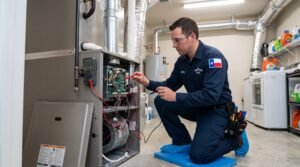
Understanding Furnace Servicing and Why It Matters
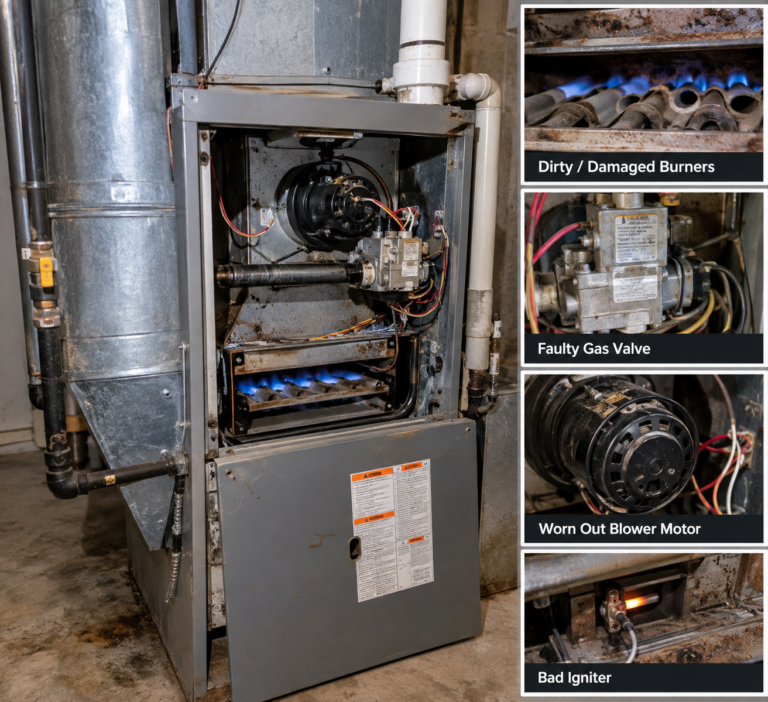
A furnace service is a thorough inspection and maintenance visit performed by a certified H VAC technician. During this visit, the technician examines your heat exchange. Checks burner performance, inspects electrical components, cleans filters, and verifies that your system is running safely and efficiently.
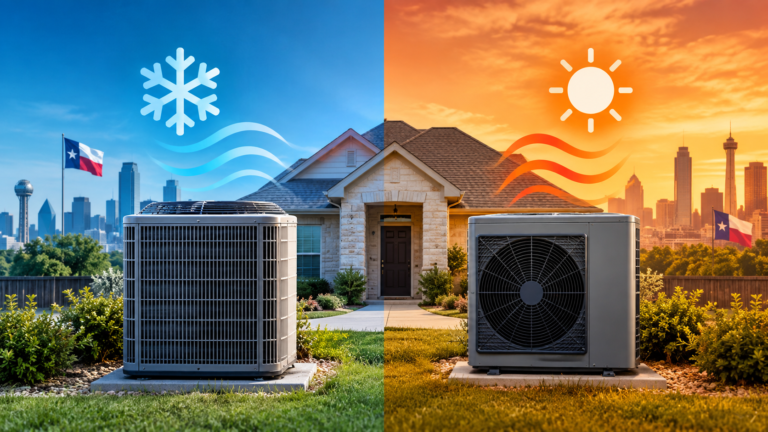
In Texas, where winters may be mild but can turn dangerously cold. As seen during the 2021 freeze event — having a properly serviced furnace is not a luxury It is a necessity. But furnace care connects directly to your entire H VAC system. Which means neglecting it can also affect your AC unit’s performance when summer rolls back around.
The general industry recommendation from H VAC professionals nationwide is clear: your furnace should be serviced at least once per year, ideally in the fall before the heating season begins.
Common Furnace and H VAC Problems Texas Homeowners Face
Texas homeowners in cities like San Antonio, Austin, Fort Worth, and Dallas often face a unique set of H VAC challenges because the climate demands both heavy cooling in summer and reliable heating in winter. Some of the most common issues reported include:
- Neglecting the furnace and air handler for a season has caused the AC to stop cooling properly.
- Uneven heating or cooling throughout the home due to dirty or blocked components
- Higher-than-normal energy bills caused by an inefficient furnace working overtime
- Frequent system cycling — the unit turns on and off more than it should
- Strange noises like banging, rattling, or squealing from inside the unit
- Yellow or flickering burner flames which can indicate a dangerous carbon monoxide issue
- Tripped circuit breakers caused by electrical problems inside the unit
If any of these sound familiar, your furnace likely needs more than just an annual tune-up — it may need immediate attention from a qualified H VAC technician near you.
What Causes These Furnace and H VAC Issues?
Most furnace problems do not appear overnight. They develop gradually due to a combination of factors that are entirely preventable with regular maintenance.
Dirty air filters are the number one cause of reduced airflow, overheating, and poor indoor air quality. A clogged filter forces your furnace to work harder, reducing its lifespan dramatically.
Lack of lubrication in moving parts like blower motors leads to friction, overheating, and eventual component failure — often requiring costly central air repair or full unit replacement.
Ignition system failures are common in older systems that have gone years without inspection. A cracked heat exchange — a serious safety hazard — is often discovered only during a professional service visit.
Thermostat miscalculation can cause your system to run longer than needed or shut off too early, leading to discomfort and higher energy costs across your Dallas or Houston home.
Improper installation or previous DIE fixes can also create long-term damage that is only visible to a trained eye during a professional inspection.
Step-by-Step Furnace Maintenance Tips You Can Do at Home
While a professional service is irreplaceable, there are several Die-safe tasks Texas homeowners can perform between annual visits to keep their systems running smoothly.
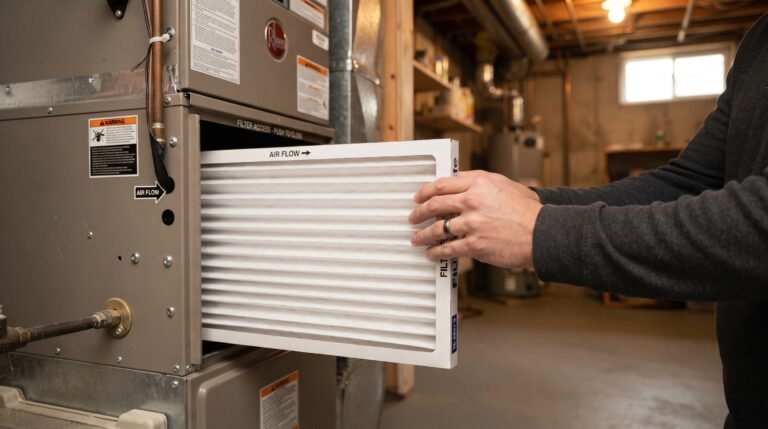
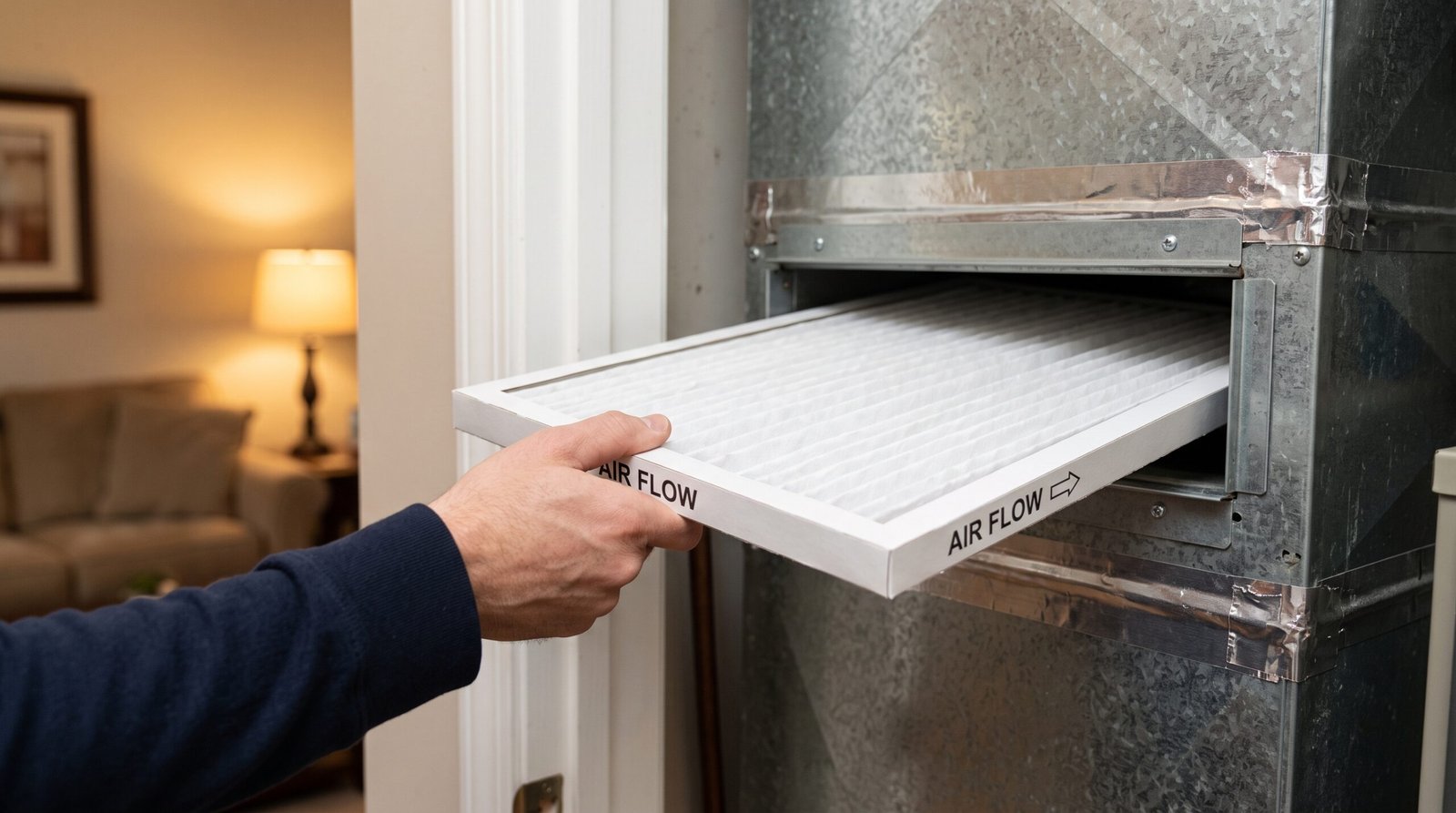
Step 1: Replace Your Air Filter Regularly Check your furnace filter every 30 days and replace it at least every 90 days. Homes with pets or allergies may need monthly replacements. A clean filter improves airflow, air quality, and system efficiency.
Step 2: Keep Vents and Registers Clear Walk through your home and ensure that furniture, rugs, or drapes are not blocking supply and return air vents. Blocked vents cause pressure imbalances that strain the entire system.
Step 3: Check Your Thermostat Settings Make sure your thermostat is set to “heat” mode and the fan is set to “auto.” If your system has a programmable or smart thermostat, verify that the schedule is correctly set for Texas seasonal temperature swings.
Step 4: Inspect the Area Around Your Furnace Clear at least two feet of space around your furnace. Remove any boxes, cleaning supplies, or flammable materials from the vicinity. This improves safety and airflow.
Step 5: Listen and Observe Turn on your furnace and pay attention. If you hear banging, smell burning, or notice the pilot light is yellow instead of blue, turn the system off and call a certified AC technician in Texas immediately.
When to Call a Professional H VAC Technician
Some situations go beyond what a homeowner should handle alone. You should contact a licensed AC professional right away if you experience any of the following:
- Your furnace is not producing heat at all
- You smell gas near the unit
- The system is short-cycling repeatedly
- Your carbon monoxide detector goes off
- You notice a cracked heat exchange or visible damage
- Your energy bills have spiked significantly without explanation
- The system is more than 15 years old and has not been serviced recently
For Texas homeowners in Fort Worth, Houston, or San Antonio dealing with any of these problems, do not wait. Emergency H VAC situations can escalate into dangerous conditions. Call +1 866-502-1393 to speak with a local AC professional available to help you right now.
Benefits of Hiring a Local AC and Furnace Repair Expert in Texas
Choosing a local, certified H VAC technician near you — rather than a national chain with no local knowledge — comes with significant advantages.
Local Texas H VAC professionals understand the regional climate demands. They know that a furnace in Austin faces different stresses than one in Dallas, where winter temperatures can drop more sharply. They also respond faster in emergencies, provide more personalized service, and are accountable to their community reputation.
Regular professional servicing through a trusted local provider offers benefits that include extended equipment lifespan, improved energy efficiency, better indoor air quality, and peace of mind that your system is safe to operate. An annual AC tune-up combined with furnace servicing is one of the smartest investments a homeowner can make.
You can find AC maintenance near you and schedule a full H VAC inspection by visiting hvacservicetexas.com — a trusted resource connecting Texas homeowners with qualified local H VAC professionals across Dallas, Houston, Austin, San Antonio, and Fort Worth.
Do Not Wait for a Breakdown to Take Action
The answer to how often a furnace should be serviced is simple: once a year, every year — and more frequently if your system is older or showing warning signs. For Texas homeowners, the stakes are high. A system that fails in the middle of a cold snap or a scorching summer puts your family’s comfort, safety, and finances at risk.
Do not wait for an emergency to call for help. Whether you need a routine AC tune-up, central air repair, or a full system inspection, professional help is just a call away. Reach out to a certified H VAC technician in Texas today by calling +1 866-502-1393 or visiting hvacservicetexas.com to schedule your service appointment. Your furnace — and your family — will thank you for it.