How Often Should You Change Your HVAC Air Filter? A Texas Homeowner’s Guide
If your AC seems to be working harder than usual, your energy bills are climbing, or you’ve noticed dust building up around your vents, there’s a good chance your VAC air filter is overdue for a change.
For Texas homeowners in Dallas, Houston, Austin, San Antonio, Fort Worth, neglecting your air filter can be a mistake. This can be one of the fastest ways to turn a minor maintenance task into a costly air conditioner repair call. This guide gives you everything you need to know about filter replacement schedules, warning signs to watch for, and when it’s time to bring in a certified VAC technician.
Understanding VAC Air Filters and Why They Matter
Your VAC air filter does two important jobs simultaneously. It protects the internal components of your system — coils, blower motor, and heat exchange — from dust and debris, while also improving the indoor air quality of your home by trapping airborne particles like pollen, pet dander, and mold spores.
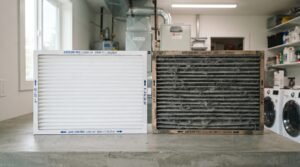
When that filter becomes clogged, airflow through the system is restricted. Your air conditioner then has to work significantly harder to pull air through the blockage, which raises energy consumption, strains mechanical parts, and — most critically — can cause the evaporator coil to freeze. A frozen coil means your AC is no longer cooling your home effectively, and what started as a dirty filter can quickly escalate into a full central air repair situation.
Understanding your filter’s role is the first step toward protecting your entire VAC investment.
Common AC Problems Texas Homeowners Face Due to Dirty Filters
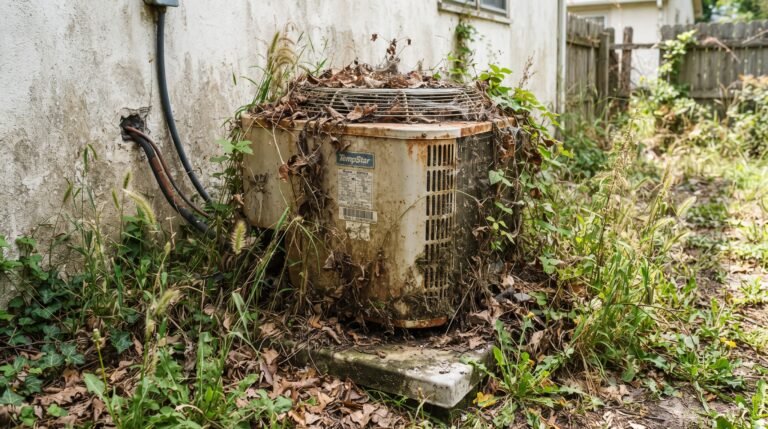
Texas homeowners run their AC systems harder and longer than nearly anywhere else in the country. That means air filters in Texas homes collect dust, allergens, and debris at a much faster rate than in cooler climates. The consequences of neglecting filter changes are felt quickly and can be severe.
These are the most common problems that stem directly from a clogged or overdue air filter:
- AC not cooling properly — Restricted airflow prevents the system from exchanging heat efficiently. Its leaving your home warm despite the unit running constantly
- Frozen evaporator coils — When airflow drops too low, the coil temperature plummets and ice forms, blocking cooling entirely
- Higher electricity bills — Your system draws more power to compensate for the reduced airflow through a blocked filter
- Poor indoor air quality — An overloaded filter can no longer trap new particles. Its allowing dust, allergens, and pollutants to circulate through your home
- Premature system wear — Motors and compressors running under strain break down faster, leading to expensive emergency AC repair calls
- Short cycling — The system turns on and off rapidly because it overheats, never completing a full cooling cycle
In cities like Houston where humidity compounds the problem. Where desert dust is relentless, these issues can develop faster than homeowners expect.
What Causes Filters to Clog Faster in Texas?
Several Texas-specific factors accelerate how quickly your air filter reaches capacity and needs replacement.
Year-Round AC Use: Unlike northern states where VAC systems get a seasonal break, Texas homeowners run their air conditioning for eight to ten months of the year. More runtime means more air is cycled through the filter, and it fills up faster.
High Dust and Pollen Levels: Cities like Dallas and Fort Worth see significant airborne dust, especially during dry spells and seasonal wind events. Austin is notorious for high cedar and oak pollen counts. These particles load up filters quickly.
Pet Ownership: Homes with one or more pets accumulate pet dander and hair in the filter at a noticeably faster rate. A household with multiple pets may need to change their filter every three to four weeks during peak AC season.
Home Size and Duct Layout: Larger homes with more square footage and longer duct runs circulate more air, which also means more particulate matter passes through the filter over any given time period.
Remodeling or Construction Nearby: If your home or a neighboring property has been under construction, drywall dust and construction debris can overwhelm a standard filter within days.
How to Check and Change Your Air Filter
Checking and replacing your ac air filter is one of the simplest maintenance tasks a homeowner can do. Follow these steps carefully:
-
Turn off your ac system. Always power down the system before opening any panels or accessing the filter to avoid pulling unfiltered air through the system during the swap.
-
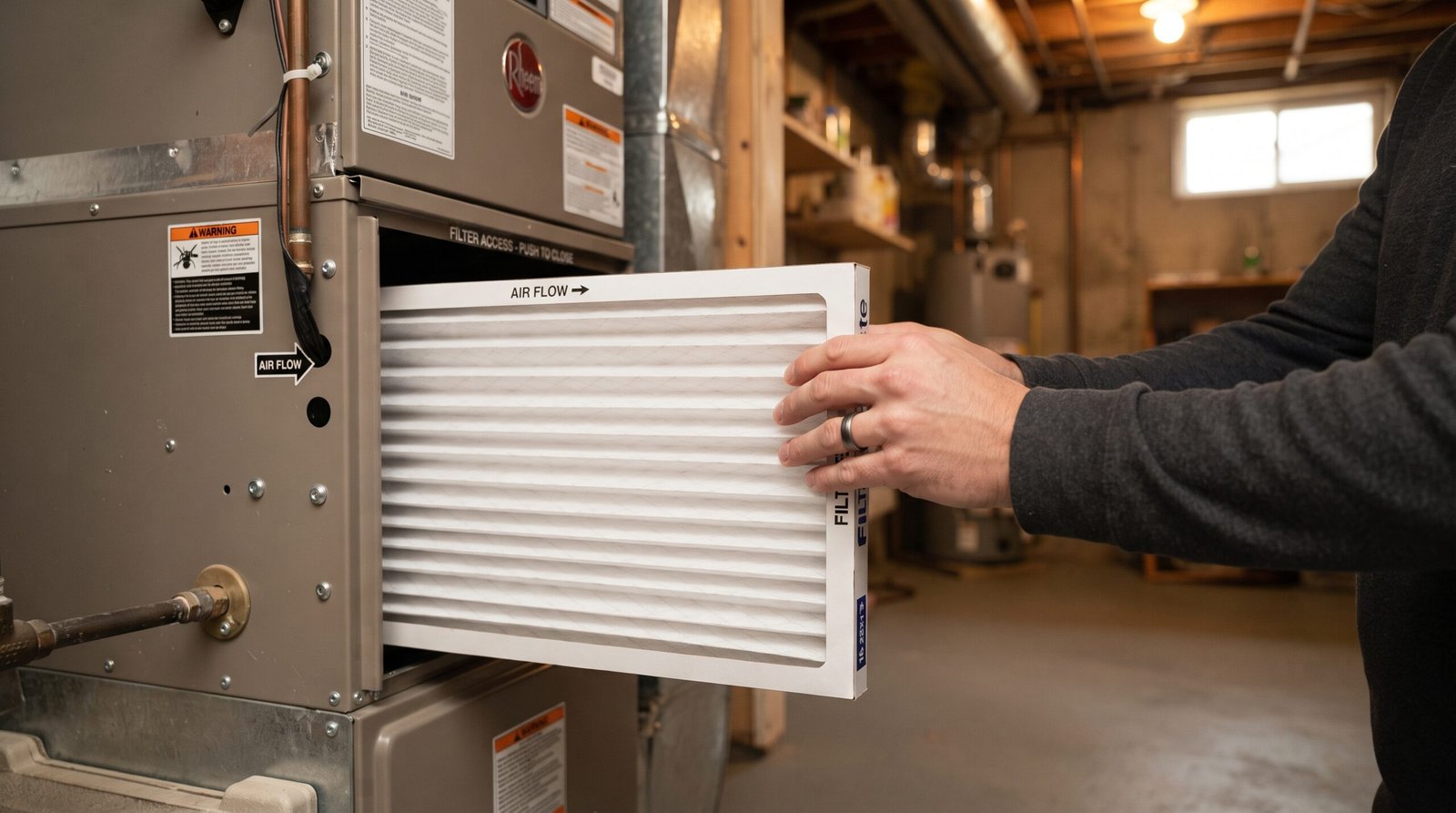
Locate your filter slot. The filter is typically found at the air handler unit (usually in a closet, attic, or utility room) or behind a large return air vent on a wall or ceiling.
-
Remove the old filter and inspect it. Hold it up to a light source. If you can no longer see light passing through the material, the filter is overdue for replacement. A light gray tint is normal; a thick, dark gray or brown coating means it’s been in too long.
-
Note the filter size. The dimensions are printed on the cardboard frame of the existing filter. Common sizes include 16×20, 20×25, and 16×25 inches, but your system may differ.
-
Install the new filter correctly. Filters have an airflow direction arrow printed on the frame. Make sure the arrow points toward the blower unit, not away from it.
-
Record the date of replacement. Write the date directly on the filter frame with a marker, or set a phone reminder. This prevents the all-too-common scenario of losing track of when the last change occurred.
-
Restart the system and monitor performance. After replacing the filter, check that airflow from your vents feels stronger and that the system cools your home to the set temperature within a reasonable time.
If replacing the filter does not resolve cooling issues, or if the system still struggles after a fresh filter installation, it may be time to schedule a professional AC tune-up. You can find a local AC technician near you who serves your area across Texas.
When to Call a Professional AC Repair Technician
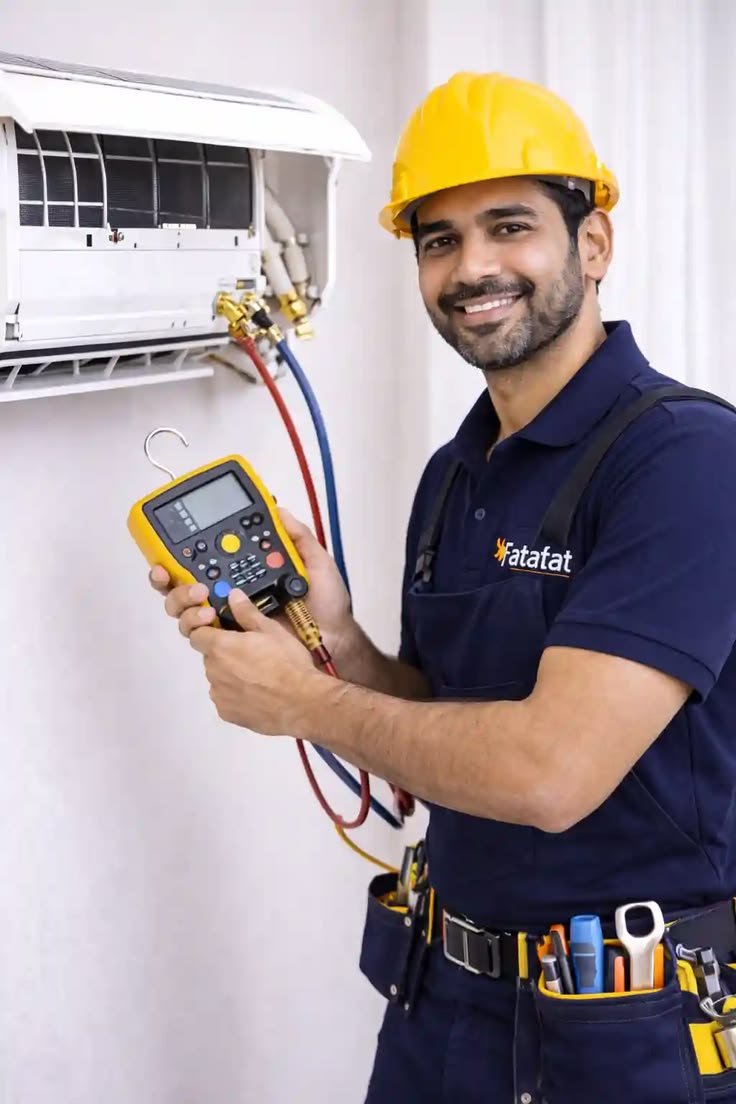
Filter changes are well within the abilities of most homeowners, but there are clear situations where professional involvement is necessary. Contact a certified VAC technician in Texas if you experience any of the following:
- Ice buildup on the evaporator coil even after replacing the filter and allowing it to thaw
- A burning or musty smell coming from your vents after a filter change
- Reduced airflow that persists despite a fresh, clean filter being installed
- An AC not cooling that also produces unusual sounds like rattling, grinding, or squealing
- Your system is short cycling — turning on and off repeatedly without completing a cooling cycle
- You have not had a professional AC tune-up in the last 12 months
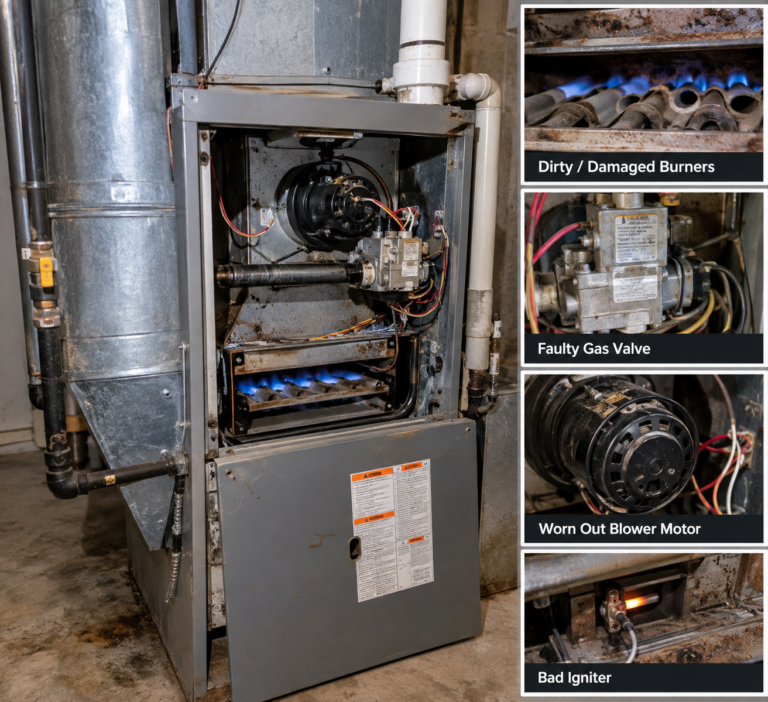
These signs point to underlying mechanical or refrigerant issues that go beyond what a filter swap can address. Continuing to run a compromised system without professional diagnosis risks triggering a complete breakdown. And a much more expensive central air repair or full system replacement.
Benefits of Hiring a Local AC Repair Expert in Texas
There is a meaningful difference between calling a national service line. And working with a local ac professional who actually knows your region. Local technicians serving Dallas, Houston, Austin, San Antonio, Fort Worth, and El Paso are best. Because they understand how the Texas climate places extraordinary demands on residential cooling systems..
They can identify wear patterns common to systems running in extreme heat, recommend the right filter types and ratings for your specific environment, and spot developing problems before they become emergencies. A certified AC technician in Texas can also perform a comprehensive AC maintenance check that goes far beyond the filter — inspecting refrigerant levels, coil cleanliness, electrical connections, and drainage lines all in a single visit.
Local professionals are also faster to respond for emergency AC repair situations, which matters enormously when an August breakdown leaves your family in 100-degree heat. AC maintenance near you from a trusted local company means faster service windows, honest pricing, and technicians who stand behind their work.
Protect Your AC System Starting With One Simple Step
Changing your VAC air filter on the right schedule is the single most cost-effective thing a Texas homeowner can do to protect their cooling system, lower energy bills, and maintain healthy indoor air quality. As a general rule, standard 1-inch filters should be replaced every 30 to 60 days during peak AC season in Texas, while thicker 4-to-5-inch media filters can last three to six months depending on usage and household conditions.
Do not let a $10 filter lead to a $1,500 repair. Stay ahead of the maintenance curve, and when your system needs more than a filter swap. Trust a certified local professional to handle it right.
Visit hvacservicetexas.com today to schedule your AC repair, request. A professional AC tune-up, or speak with a local VAC expert serving your Texas community. You can also call us toll-free right now at +1 866-502-1393. We proudly serve homeowners in Dallas, Houston, Austin, San Antonio, Fort Worth, El Paso. And throughout the great state of Texas — with fast response times, transparent pricing, and guaranteed workmanship.